Our charity questions lack of action by UK despite Europol crackdown on horse trafficking
Posted on 08/10/2026
Share


Our charity has welcomed a major Europol-led operation targeting criminal activity in the European horse trade and is urging the UK Government to finally introduce the measures needed to enforce its ban on live exports for slaughter and fattening.
The Europol-led operation involved almost 200 officials across four countries, with more than 1,000 horses checked. Investigators suspect the network falsified documents and concealed horses’ identities to enable them to be sold under false pretences or be slaughtered for the human food chain.
Roly Owers, our Chief Executive, said:
“Once again, we have more evidence that the horse meat scandal never really ended. Horses continue to enter the food chain through criminal networks. World Horse Welfare is encouraged that coordinated action has been taken across several EU member states to confront the scourge of horse smuggling by one criminal network.
“However, we are dismayed that UK authorities do not appear to have chosen to take part in this operation, given how the UK land bridge is being exploited to perpetuate this trade. More than two years later, we have yet to see the promised legislation that would actually make the 2024 ban on live exports enforceable for horses.”
The ban on live export for slaughter and fattening is the only mention of horses in the Government’s Animal Welfare Strategy, yet our charity says little progress has been made towards delivering the measures needed to enforce it.
An agreement is currently being negotiated with the EU which encompasses making trade and movement of animals, including horses, easier. The ban forms part of these negotiations and the UK Government has said that no action will be taken until this agreement is finalised.
Roly added:
“We recognise the potential implications of the current EU negotiations, but this should not be used as an excuse for inaction on enforcing the ban on live export. If anything, it should have ramped up the urgency to participate in the Europol investigation. In our view, horses are being let down by the lack of enforcement and action must be taken urgently to remedy that.”
Our charity believes that the network uncovered by this investigation only scratches the surface of a much larger trade in which horses are treated as commodities rather than the thinking, feeling, vulnerable animals that they are. Roly said:
“We hope this operation shines a light on the true scale of the problem and encourages authorities across Europe, including in the UK, to do what they said they would do to stamp this trade out. It also highlights the international nature of horse trafficking and the importance of intelligence-sharing, cooperation and robust enforcement to protect horses – including in the UK.”
Our own investigations have uncovered extensive cross-border horse movements and evidence linking UK, Irish and European trafficking routes. One trader believed to be involved in smuggling has been estimated to transport around 1,000 horses from the UK and Ireland to mainland Europe each year, often in poor welfare conditions and with horses fraudulently identified. We have good reason to believe this individual is still linked to the horse smuggling network.
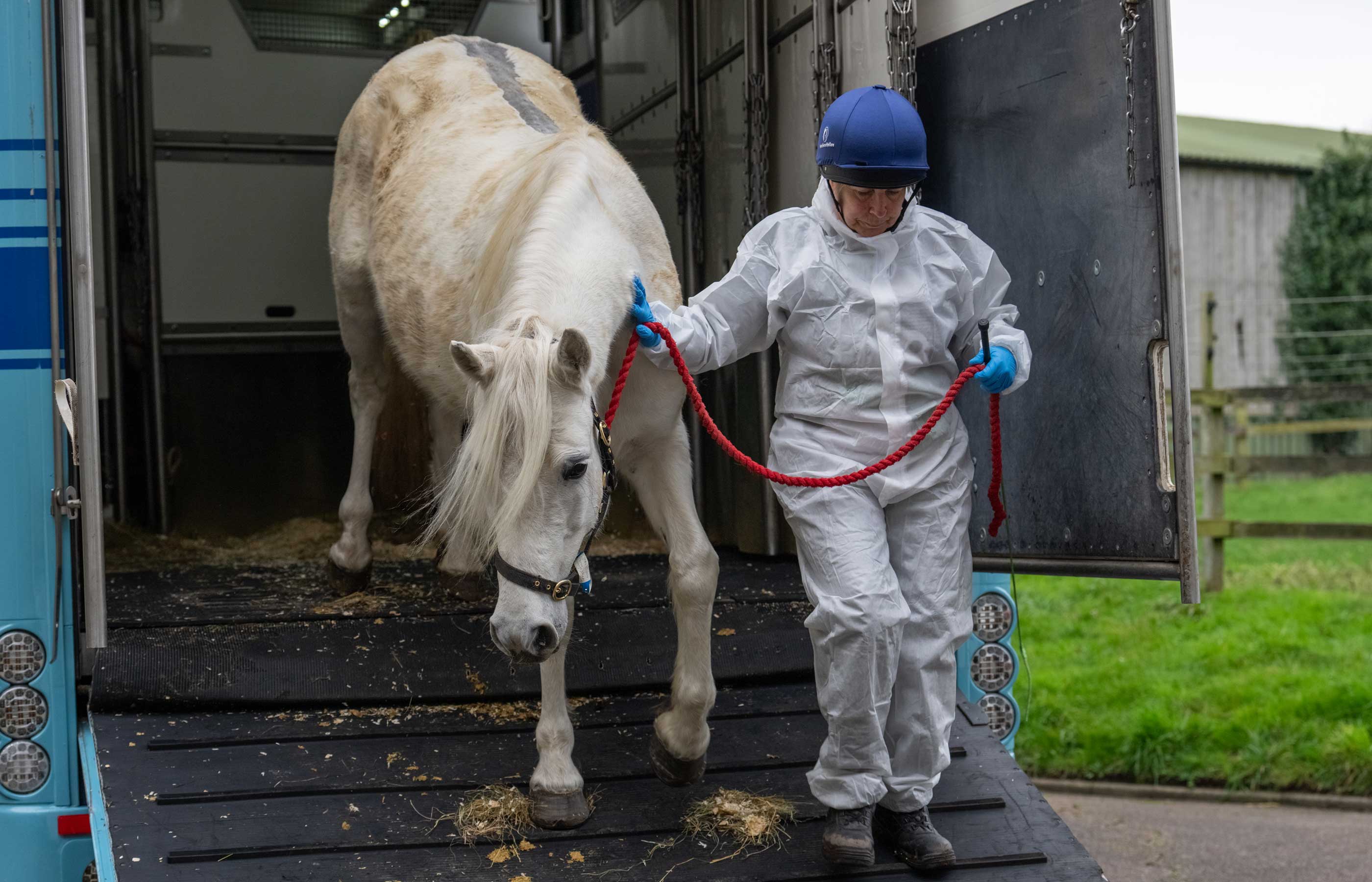
The Dover 26 and Trafficked 20 rescue cases have previously highlighted the suffering caused by horse smuggling, with horses found in poor condition and many unfit to travel. One foal had collapsed and been unable to get back up again in the cramped conditions.
Both cases demonstrate the complete lack of traceability of horses under the current system. The Dover 26 group were declared as Irish horses, yet our investigations revealed that the majority were actually from the UK.
One of Europol’s key findings was the alleged falsification of documentation and concealment of horses’ identities – concerns that welfare organisations have been raising for many years.
In our view, this demonstrates the urgent need for a robust digital equine identification system that would improve traceability, support enforcement and make it significantly harder to falsify a horse’s identity.
Roly added:
“The Europol operation shows that horse smuggling remains a significant and organised criminal enterprise across Europe. Better identification, stronger intelligence-sharing and effective enforcement are essential if we are to protect horses from exploitation and suffering.”
Share
Topics
Related News
ICWE welcomes Africa’s moratorium on horrific donkey skin trade
This historic moratorium was secured following the publication of a report supported by International Coalition for Working Equids (ICWE), of which we are members alongside Brooke, The Donkey Sanctuary and SPANA,
Recommended Blog Posts
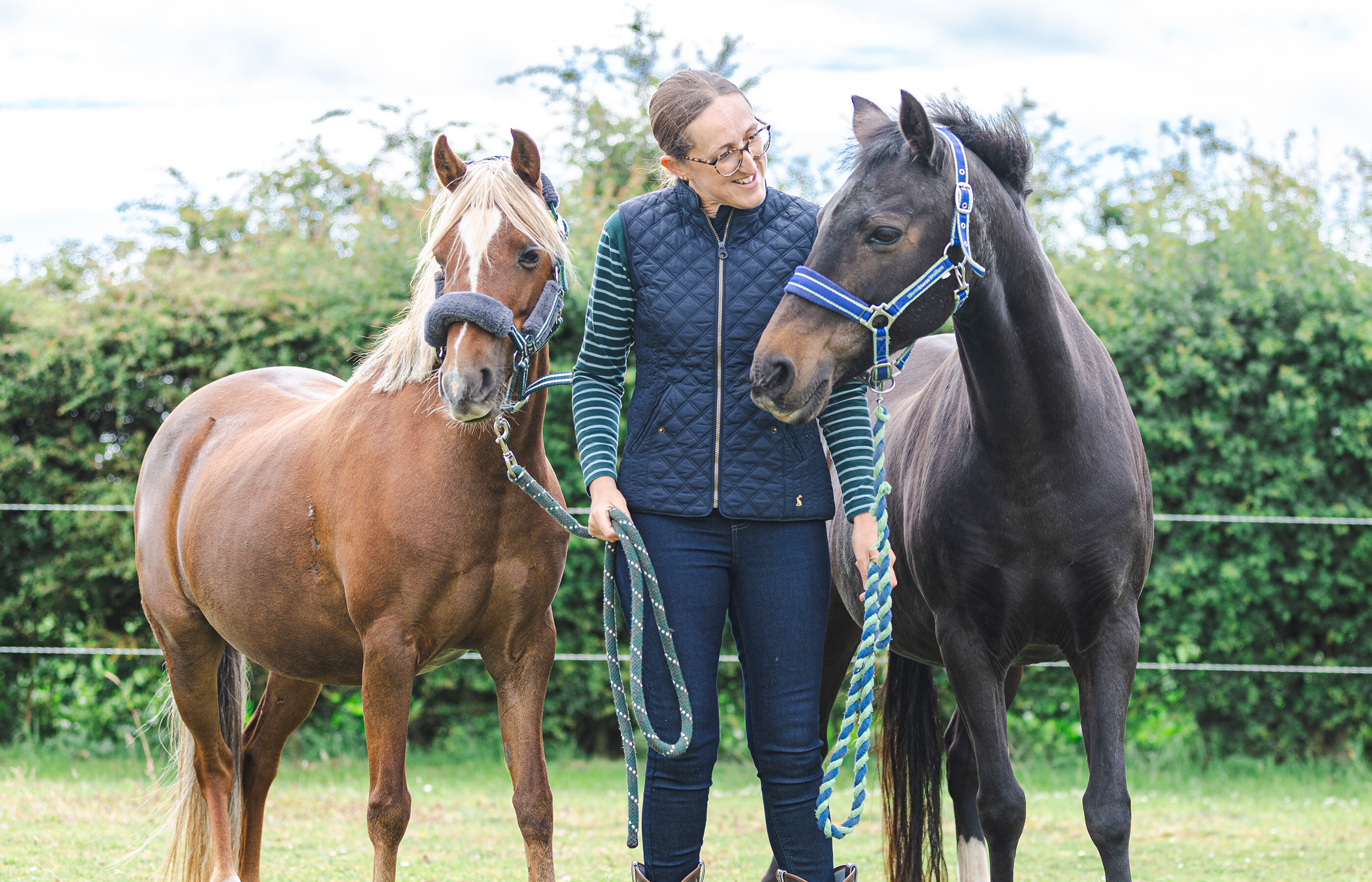
“The feeling of knowing that you’re making a difference is wonderful”
We meet superstar fundraiser Kelly Jay, who has raised more than £33,000 for our charity.

The senior horse: nutrition in sickness and in health
Find out more about the key considerations when caring for older horses, whether in work or retired and whatever their health status.
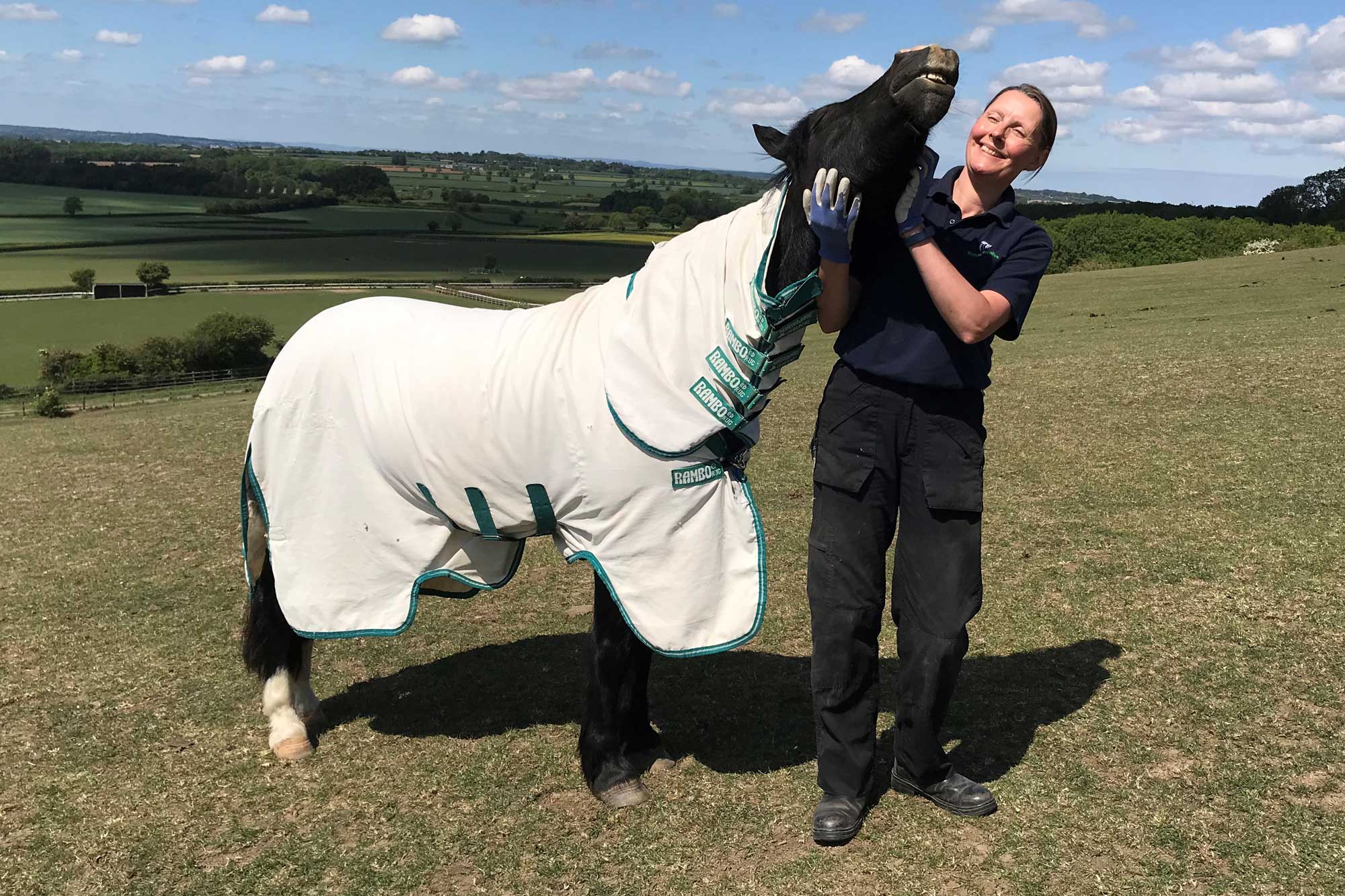
Sweet itch: what is it and how do we manage our ponies who have it?
Glenda Spooner Farm Rescue and Rehoming Centre Assistant Centre Manager Sara Jerman explains more.
Enjoy reading stories like this?
Join over 65,000 other horse lovers and sign up for our email newsletter
Join over 65,000 other horse lovers and sign up for our email newsletter
Sign me up now
