
Horses’ Experiences on Yards (HEY) welfare assessment tool
Do you manage a yard of horses? Find out more about how to assess their welfare.

Do you manage a yard of horses? Find out more about how to assess their welfare.
Share this advice


What is horse ‘welfare’?
Welfare encompasses the physical and mental health of horses. When we assess horses’ welfare, we are trying to determine whether their life experiences are mostly positive or negative, according to them. The Five Domains Model of animal welfare assessment outlines how we can cautiously interpret what horses may be experiencing by reading the physical and behavioural signs that relate to whether their biological needs are being met. These signs that we observe as caregivers (e.g., yard managers and grooms or horse owners) can give us an indication of whether the horses in our care are experiencing good, neutral or poor welfare.
Why is it important to assess the welfare of horses?
Horses can’t tell us how they are feeling in words, so we need to try and work this out from the behavioural and physical signs that they give us. By making sure we are aware of what signs constitute good and poor welfare, and by making regular observations, we can spot any signs of poor welfare early and make necessary interventions without allowing the horses to fall into a chronic state of negative welfare.
Assessing welfare shouldn’t just be about avoiding negative experiences. It’s also important to consider how we can maximise the opportunities for the horses in our care to have more positive, enriching experiences. By assessing their welfare regularly, we can often identify new things that they might enjoy if given the opportunity.
What is the HEY (Horses’ Experiences on Yards)?
The HEY is a yard-level welfare assessment tool for groups of horses, based on the Five Domains Model of animal welfare assessment that evaluates the experiences horses have on yards. It’s intended to be completed by the horses’ caregivers (e.g., yard manager and grooms), as they know those particular horses best and understand how they have been managed.
How does the HEY work?
The care giving team has a group discussion about their horses considering each of their individual biological and physical needs, where each member of the group has a say about what they’ve observed. Answers are decided by consensus and if discussions are robust (which is the intention), then it may take 2 – 4 hours to complete, so it can be completed across multiple group sessions. This process is designed for open and honest discussion. Sometimes the presence of executives or senior managers can hinder this, as junior staff are less comfortable talking openly in their presence. Think about what would work best for your yard/organisation so that you get the most out of the discussions.

What is the purpose of the HEY?
The HEY is designed to:
- Help you and your team reflect on how the horses in your care experience a range of needs and identify what’s working well
- Spot where changes may be necessary, and to document what those changes are, alongside their expected impact on the horses
- Facilitate an honest look at the horses’ welfare so that you can easily see where to improve. The scores that you assign should not be seen as a judgement of your care.
The HEY was developed by animal welfare scientist and consultant Dr Jill Fernandes (Animal Centric), equine welfare scientist Cristina Wilkins (Horses and People Magazine), and World Horse Welfare. The HEY is a condensed version of a larger welfare assessment process that Animal Centric facilitates with zoos, aquariums, farms and other animal facilities worldwide.
Who is the HEY for?
The HEY is suitable for all horse owners with multiple horses. It is designed to consider welfare at the yard level, therefore is most suitable for yard managers/owners to work through with their horse care teams.
How do I use the HEY?
- Gather your team with cups of tea and pack of biscuits!
- Watch the instructional videos together (you can find these at the end of this list).
- Part 1 of the process requires you to work through the document, discussing the experience of all the horses and scoring each need based on the individual horse in your care who has been worst off for that need over the last 12 months (they haven’t been getting that need met). The horse you choose may change for each need. We ask you to score this way, because improving the experience of the horse who has had their needs met the least will also have a neutral or positive effect on all other horses in your care.
- After you’ve completed Part 1, move on to Part 2, where you rank the needs from lowest scoring to the highest scoring in the table provided and come up with short-term and long-term actions for improvement for every need which scored less than 100%.
- Throughout all discussions, consider how horses communicate whether their needs are being met or not. Use the space provided to discuss what physical and behavioural signs you may see and how they might change as a result of any changes you plan to make.
Horses’ Experiences on Yards (HEY) welfare assessment tool

The Horses’ Experiences on Yards (HEY) welfare assessment tool includes:
- A scoring chart for 15 essential needs all horses should experience
- Behaviour observation guidance
- An action plan for short-term and long- term actions to promote positive welfare
What do I do once I’ve completed the HEY?
- Completed the HEY online? Save the HEY somewhere safe and allocate actions around the team. Set times and dates to review the actions and whether they are working
- Printed the HEY? Store the completed version somewhere safe and as above, set times and dates to review your actions and if they are working
- Share the final document with executives or senior managers, because your scores and prioritised actions for improvement can guide organisational decisions on resourcing and planning. This can make a big difference in the lives of the horses over time
- Once you start working through your actions and seeing positive results, share on social media using #WelfareWins and tagging @WorldHorseWelfare. We’d love to see how you get on!
If you’d like a more comprehensive welfare assurance programme for your yard, please see our page on Welfare Assessment of Horses in Yards (WAHY), where you will discover how we have implemented this across our four UK rescue and rehoming centres with the help of Animal Centric, and how a welfare assurance programme may work for you.
Last updated: 22/6/2026. Advice collated by the World Horse Welfare research and education team and externally reviewed by Dr Jill Fernandes, PhD and Cristina Wilkins.
Share this advice
Popular advice in Wellbeing essentials
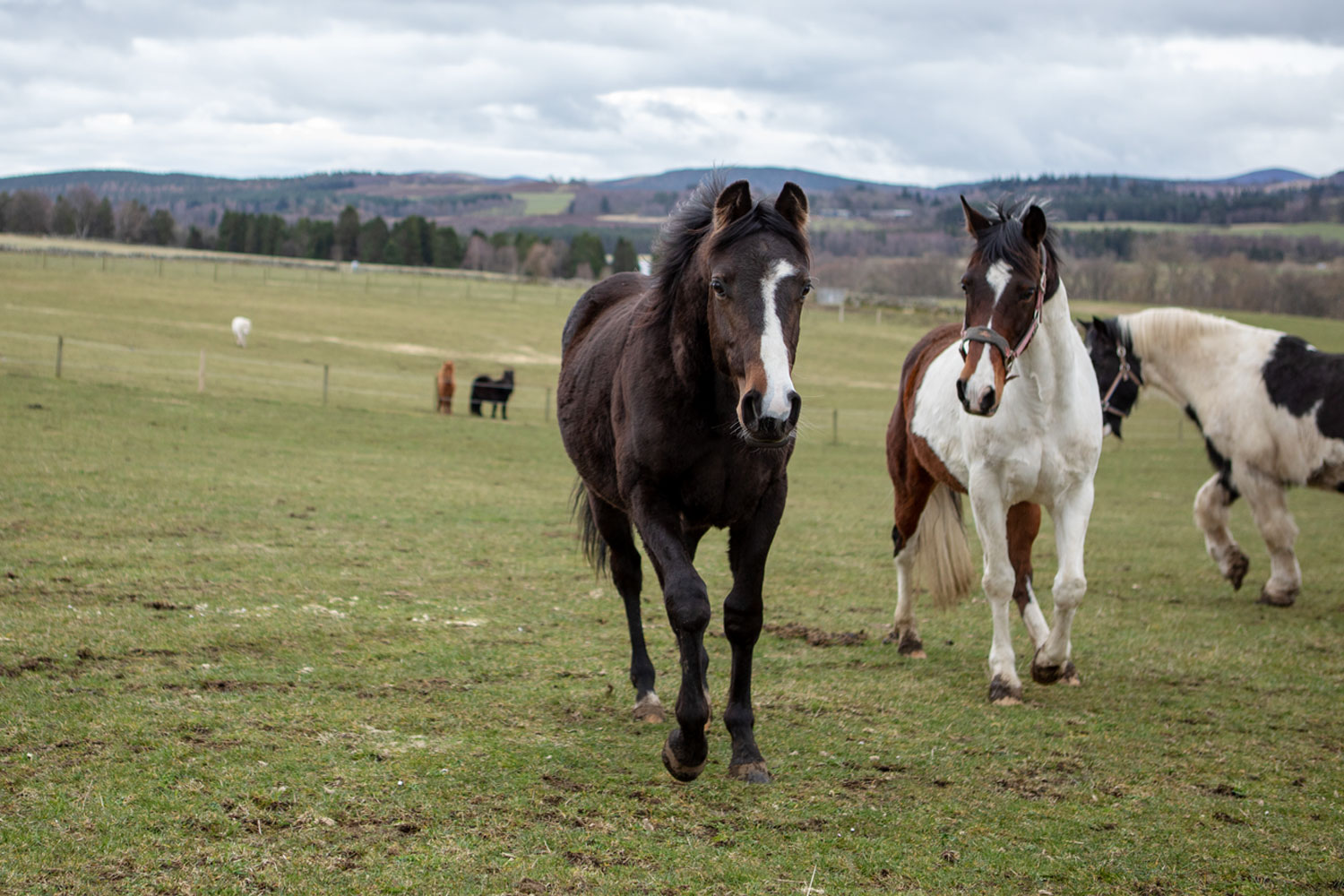
The Five Domains of animal welfare
Find out how you can meet the species specific needs of your horse using the Five Domains of animal welfare.

The 3Fs – Friends, forage and freedom
Find out how you can meet your horse’s fundamental needs using the 3Fs.
Other advice categories
All webinar categories:
Call our Advice Line
+44 (0)1953 497 238Not found the advice you were looking for? Our friendly team of horse care experts offer free practical advice. What can we help you with today? Our advice line is available 8.30am-5:00pm, or you can email education@worldhorsewelfare.org.

