
It’s Strangles Awareness Week 2026!
With nearly 500 lab-confirmed cases of strangles in the UK last year, awareness of the disease is more important than ever.
Posted on 05/05/2026
Share


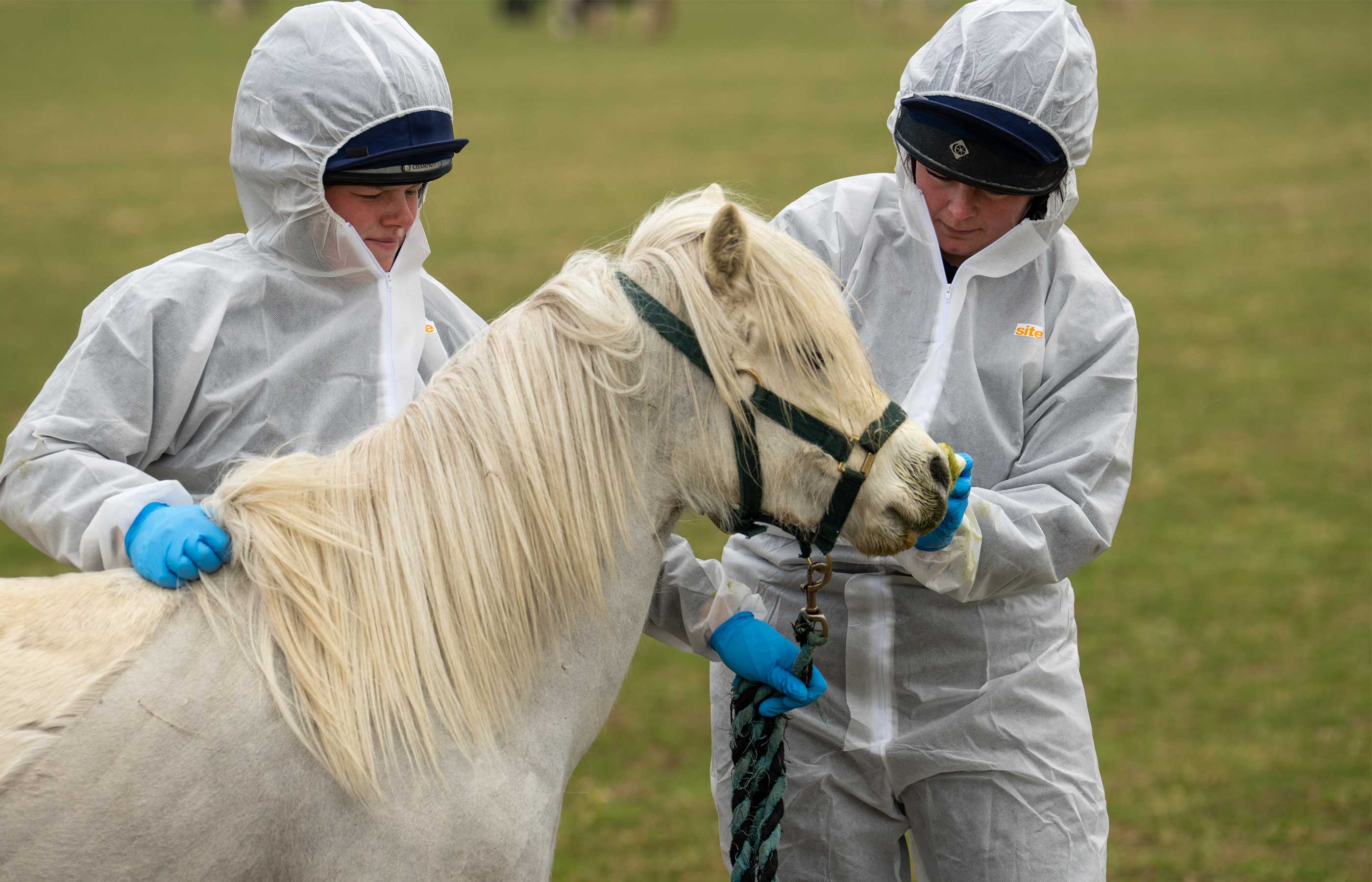
Given the nature of our work, we are sadly no strangers to the potential impact of the highly contagious disease strangles – as anyone who followed the story of our Trafficked 20 horses last year will know.
Strangles can happen to anyone, so it’s vital to stamp out the stigma – which can be one of the biggest problems. Taking some simple steps and using BEST practice can make a big difference in keeping your horses safe.
What does BEST stand for in strangles prevention?
- B – Boost immunity by vaccinating against strangles
- E – engage with trusted information, i.e. from your vets or our advice page
- S – Separate unfamiliar horses
- T – Temperature check routinely
Why is strangles so tricky to treat and manage?
Strangles is really difficult to manage simply because it spreads so easily, which is why it’s so important to practice good biosecurity with new arrivals. Our Director of UK, vet Malcolm Morley, explains:
“Strangles spreads remarkably easily, particularly through direct contact between horses, as well as through shared water and equipment such as feed bowls. It’s also tricky because some affected horses can show no symptoms while still carrying the bacteria, so identifying those carriers and maintaining good biosecurity is key.
“Acting quickly and openly is also important. I’d urge anyone concerned about symptoms in their own horses to work with their vet every step of the way, separate affected and at-risk horses, and keep other owners on the same premises updated.
“We know the stigma around strangles can be one of the biggest barriers to controlling it but strangles is not a sign of poor care and it can happen to anyone. Good biosecurity in an outbreak is never improved by blame, and it should always be focused on protecting horses. Silence and inaction give strangles the chance to spread, while openness helps stop it.”
You can find lots of useful tips on our strangles advice page and on the Strangles Awareness Week Facebook page.
Related reading
Share
Topics
Related News
Our response to welfare recommendations by the Equine Ethics and Wellbeing Commission
We warmly welcome the newly published vision for ensuring the future involvement of horses in sport.
Effect of Cost-of-Living Crisis on horse keepers.
Results of survey into impact of Cost-of-Living Crisis revealed
Recommended Blog Posts
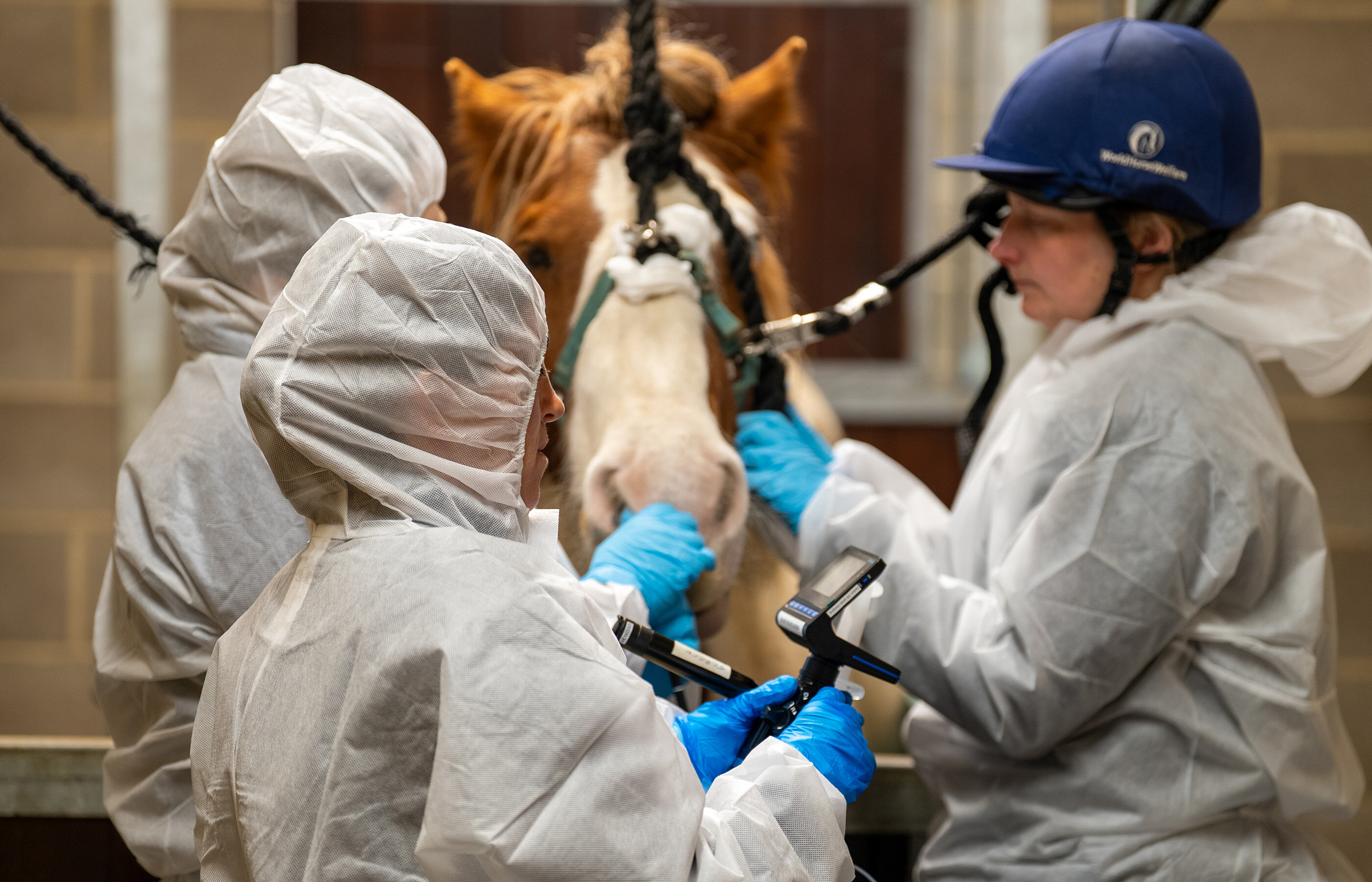
Strangles can be stubborn. But so are we!
How we’re treating horses and clearing carriers of the disease at Hall Farm.
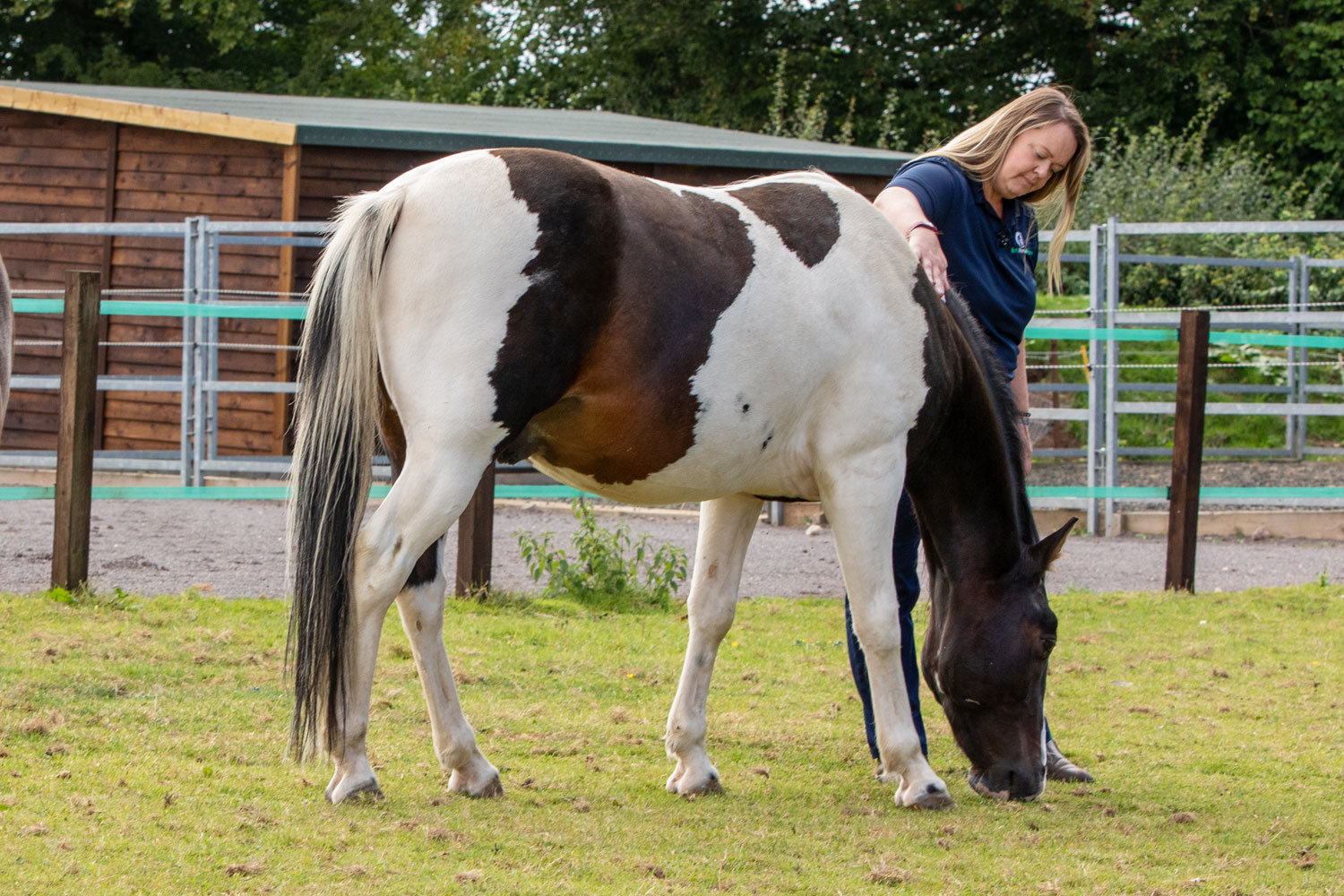
End of life: a decision most horse owners dread, but how do you prepare for it?
Field Officer Penny Baker shares her thoughts on how horse owners can prepare for the decision nobody wants to have to make.
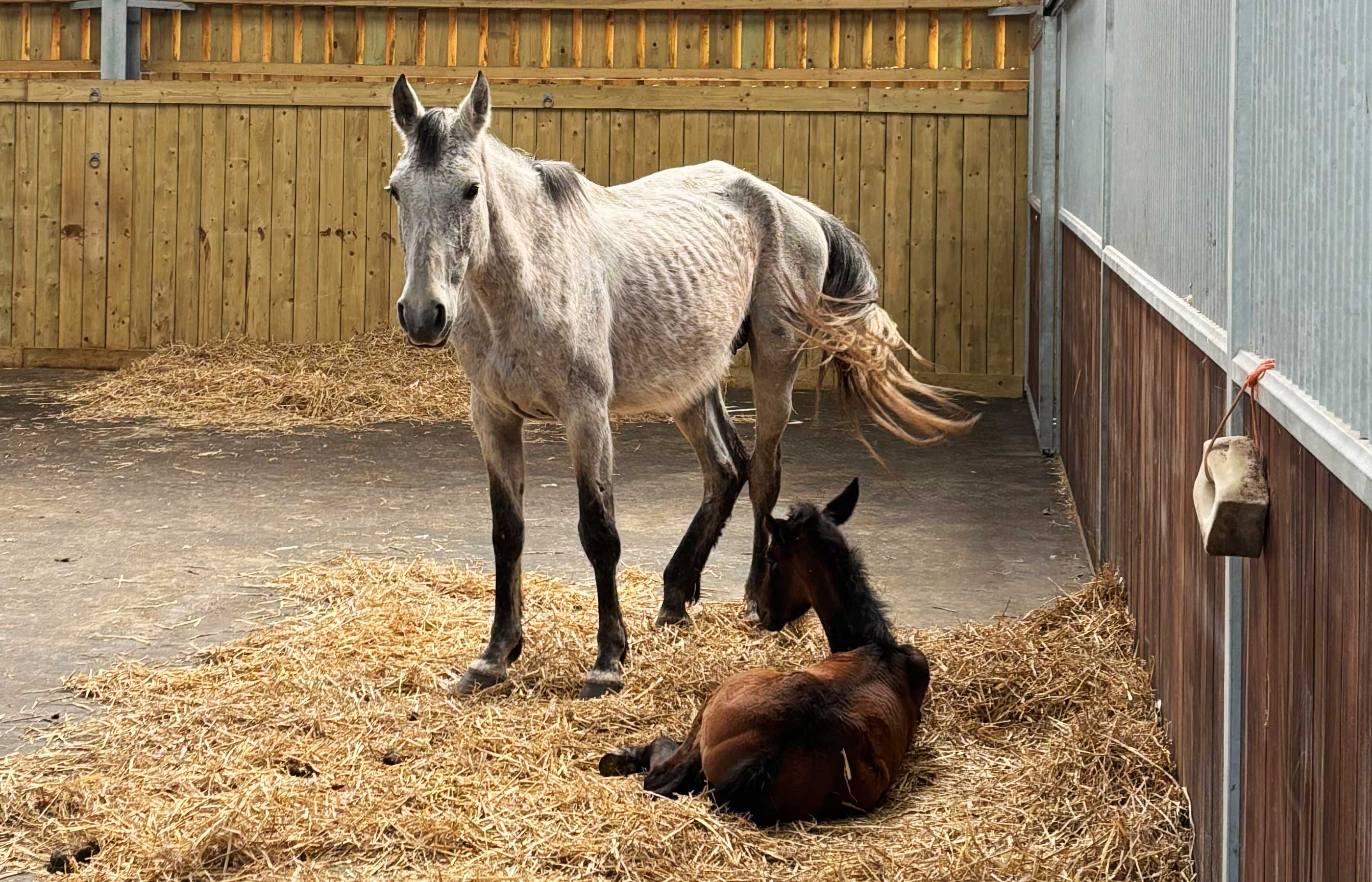
A fresh start for a group of Warmbloods
Our team recently helped rescue a herd of Warmblood horses from shocking conditions.
Enjoy reading stories like this?
Join over 65,000 other horse lovers and sign up for our email newsletter

Join over 65,000 other horse lovers and sign up for our email newsletter
Sign me up now
