
7 in 10 UK adults believe a horse’s wellbeing “should always take priority, regardless of the effect on performance”
Our charity will reveal results of annual YouGov opinion poll at a briefing for horse sport leaders and the media on 3rd June.
Posted on 03/06/2026
Share


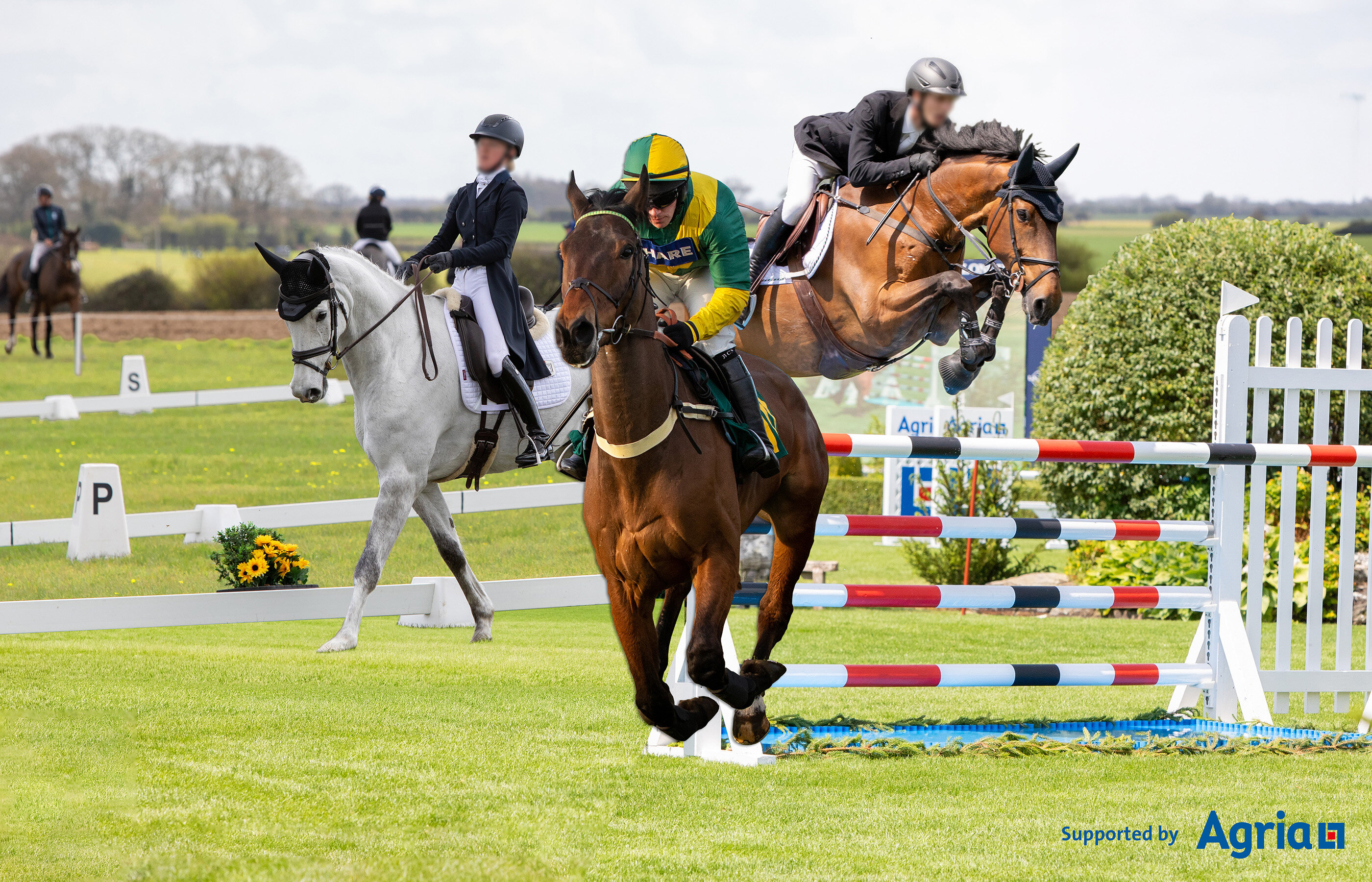
The results of our fifth annual YouGov public opinion poll* on the public acceptance of horses in sport will be revealed on Wednesday 3rd June at a briefing for the media and horse sport leaders from countries as far afield as Australia, Hong Kong, Canada and Europe from 11:00am-12:30pm (BST) in London and online.
This year’s briefing will examine the topic “Public acceptance of the involvement of horses in sport: what does good training look like?” and will explore evolving attitudes towards the involvement of horses in sport, the public’s perception of training methods, and what they believe should be prioritised.
This year’s event, which is supported by Agria, will explore these results through a panel discussion of prominent equestrian leaders and influencers chaired by journalist and editor Lucy Higginson. Questions will be accepted from the floor and online and the panel will comprise:
- Baroness Minette Batters – Chair of British Racing’s Horse Welfare Board
- David O’Connor – Chief of Sport at the US Equestrian Federation and Chair of the FEI Eventing Committee
- David Mountford MRCVS – Chief Executive of the British Equine Veterinary Association
- Lydia Hislop – broadcaster and journalist
Highlights of the results
- The public appear to have become slightly less supportive of involving horses sport than in previous years, with an uptick in the last two years in the percentage of respondents saying they do not support this under any circumstances (from 19.5% in 2024 to 24.4% this year). Similarly, the percentage of those who support the continued involvement of horses in sport has decreased from 23.3% in 2024 to 20.9%; those who are supportive only if welfare improves has remained broadly stable, at 39.4%. Combined with those who do not support their continued involvement at all, this means that 63.8% of UK adults are not content with the status quo.
- Most of the public viewed horses more as pets (with 65.0% indicating that was very or somewhat close to their view of horses) or leisure animals (64.9%) than working animals (56.1%), livestock (54.3%), or sport animals (49.4%). Those who said that they regularly interacted with horses were most likely to see horses as pets (85.7%), leisure animals (85.9%), or working animals (71.4%), and less likely to see them as sport animals (57.0%) or livestock (44.1%).
- The vast majority of the public believe that welfare should “always take priority, regardless of the effect on performance” (70.3%), and that short-term pain or discomfort to improve performance was not very or not at all acceptable (77.3%).
- Only 5.4% of respondents said they trust a lot that most people involved in horse sport train their horses in a way that they believe is acceptable, while 20.8% do not trust in this at all; 24.0% said they mostly trust that to be the case and 30.9% are somewhat trusting but have concerns; 18.9% didn’t know.
- Respondents who regularly interact with horses* were more likely to trust a lot (14.0% vs 5.2% of those who don’t interact regularly) or mostly trust (29.8% vs 23.8%) that most people in horse sport train in a way that they believe is acceptable. However, over half of both cohorts either somewhat trust but have concerns or do not trust at all (regular interactors 50.2% vs those who do not regularly interact 51.7%).
- Those who regularly interact with horses are noticeably more likely (30.4%) to believe that current safety and welfare measures are enough, whilst only 1 in 5 (19.6%) of those who don’t interact regularly think that is the case.
- There were some marked differences in the views of women and men, with women more likely to see horses at pets or companions (71.7% vs 57.9%), less likely to see them as sport animals (45.2% vs 53.9%), more likely to believe that there should be more welfare and safety measures in place (65.0% vs 48.8%). Women also prioritise a horse’s short- and long-term wellbeing more than males, with 78.1% believing wellbeing should always take priority over performance vs 62.0% of males, and 63.1% believing that short-term pain to improve performance is not at all acceptable (males, 43.9%).
Our Chief Executive Roly Owers said:
“These results indicate that the majority of the public, including those who are closest to horses, believe a horse’s wellbeing should always take priority in training, regardless of the effect on performance. However, more than half of all respondents either expressed concerns or did not trust at all that most people in horse sport train in a way that they believe is acceptable. We hope today’s event provides food for thought and illustrates where those in horse sport have opportunities to build trust.”
*All figures, unless otherwise stated, are from YouGov Plc. The online survey reflects the views of 4,310 respondents aged 18+ in the UK. Of those, 2.6% indicated that they regularly interact with horses.
Share
Topics
Related News
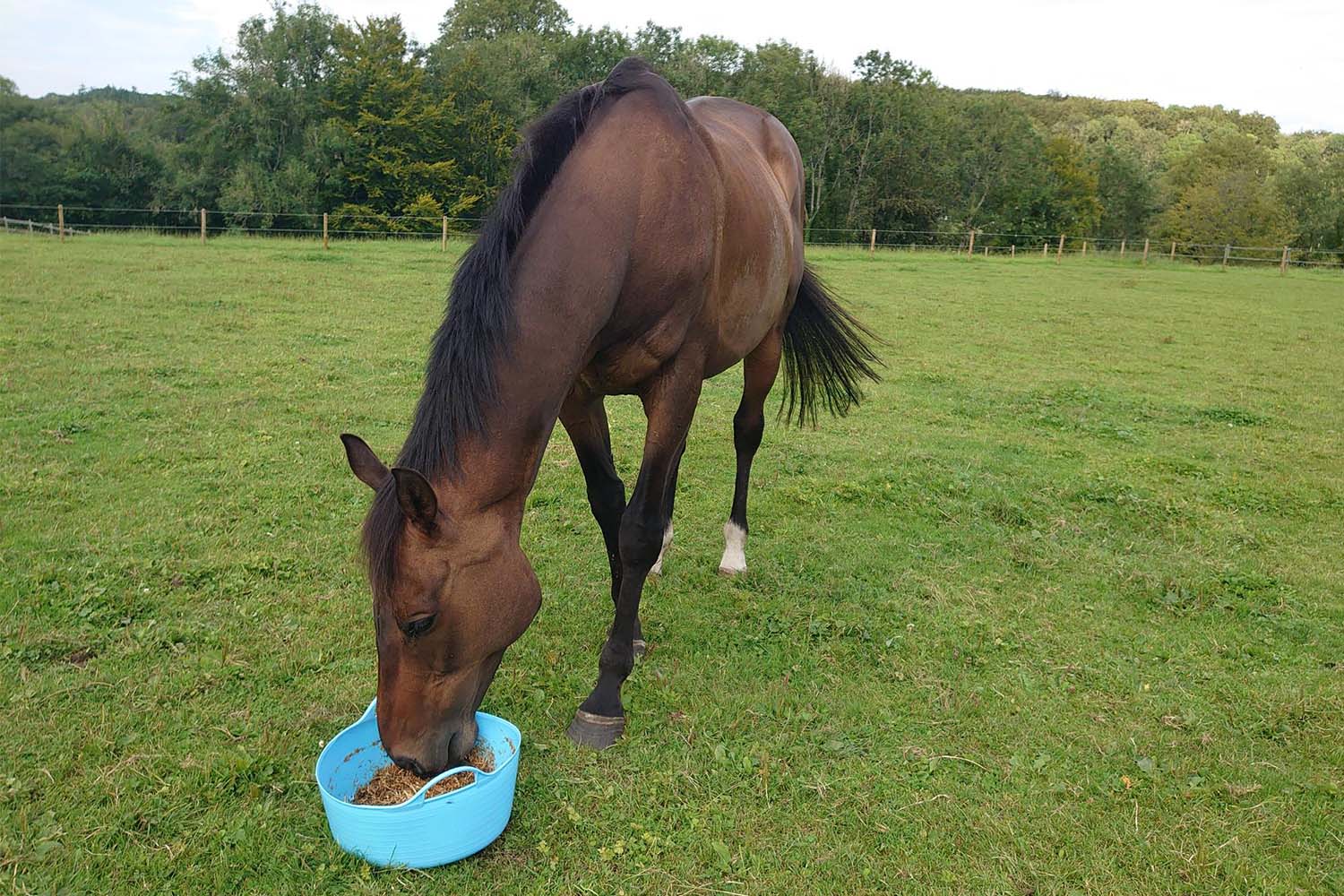
Webinar: Dispelling Common Nutrition Myths
Welfare Wednesday Webinar: Dispelling 'nutribaloney' equine nutrition myths
Recommended Blog Posts

The importance of foals having good experiences from birth
Foals born in our rescue and rehoming centres will receive expert, patient handling from day one – we caught up with yard supervisor Lorraine to hear more.
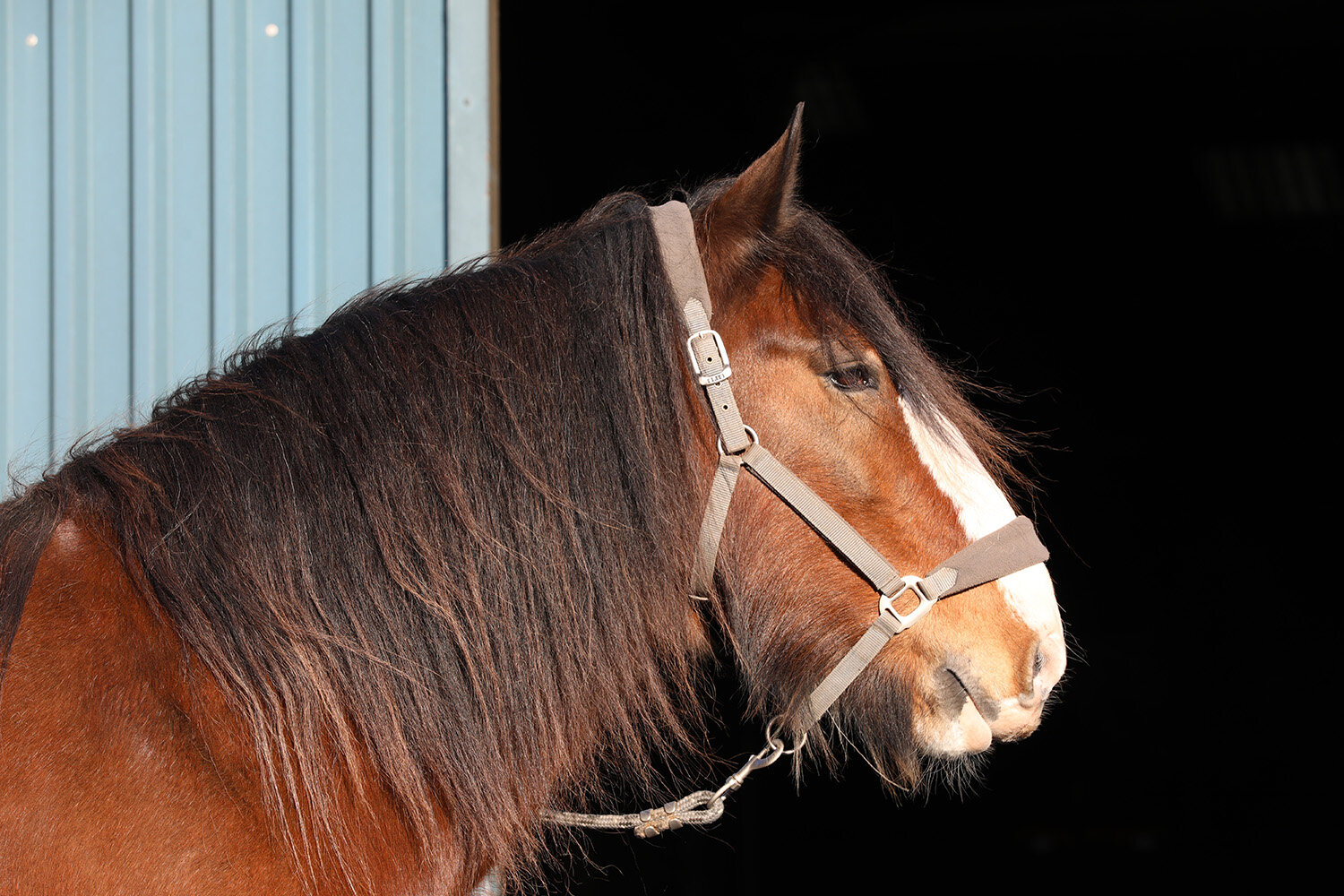
We catch up with gentle giant Seamus in his new home
Rehomer Nikky tells us what life is like with Clydesdale Seamus and how he is settling in with his new companion Puddin.
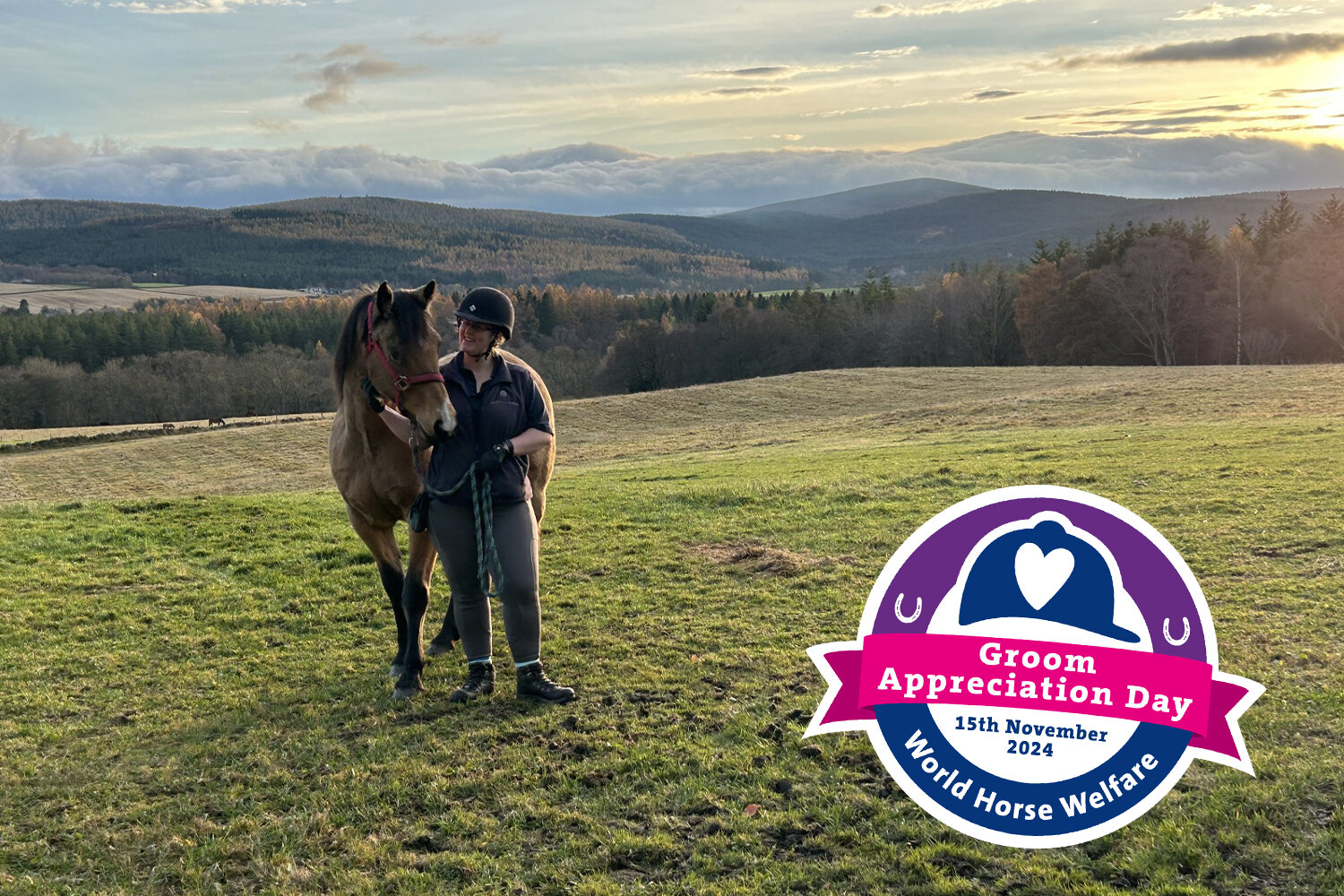
Meet some of our often-unsung heroes on Groom Appreciation Day – Abi at Belwade Farm
“All of us love the horses we care for and when things go wrong, we really feel it, as this isn't just a job for us. If we didn't love them all, we wouldn't be working here to try and make a difference.”
Enjoy reading stories like this?
Join over 65,000 other horse lovers and sign up for our email newsletter
Join over 65,000 other horse lovers and sign up for our email newsletter
Sign me up now
