
We launch a practical guide to help riders answer the question ‘Should I carry or use a whip?’
The guide aims to be a helpful way to challenge our thinking and get a conversation started.
Posted on 05/02/2026
Share



As understanding of how horses learn continues to evolve, we’ve used the latest research in equine behaviour and learning theory to publish a new guide to help every rider consider whether and how to use a whip.
With endorsements from senior equestrian figures and input from equitation and behaviour experts Dr Gemma Pearson and Dr Andrew McLean, the guide is based on learning theory (i.e., how horses learn) and explores the effects on the horse of using the whip in different ways and shows how it can be used effectively and responsibly, without causing confusion, fear or pain.
Our Chief Executive Roly Owers said: “Our aim in publishing this guide is to start a conversation about how and why people use this most traditional of aids. There are perfectly acceptable ways to use a whip, there are uninformed ways and there are completely unacceptable ways. We wanted to start to explore the differences, with a view to supporting everyone involved in the training and riding of horses to put the horse at the centre of their thinking when it comes to whip use. This guide does not cover every eventuality, and only touches on safety, but it is hopefully a helpful way of challenging our thinking and getting a conversation started.”
Two themes underpin the guide: 1) that the whip can be an acceptable tool to help train horses if it is used with an understanding of how horses learn and 2) that we can and should train horses in a way that works but that considers the horse’s experience and doesn’t cause confusion, pain or fear.
Dr Gemma Pearson said: “I was really excited when World Horse Welfare asked me to help them develop this whip use guide. When used in accordance with learning theory the whip can be a very valuable tool to make training easier to understand for horses. Sadly, it has often been used to punish horses, which has a negative impact on horses and brings our sport/hobby into disrepute. I really hope this guide will help people understand how we can use the whip ethically.”
The guide already has support from leading figures in equestrianism. Yogi Breiser, MBE, FBHS, who is immersed in the world of elite sport, having been World Class Performance Manager for the British Eventing Team from 1999–2016 and Olympic High Performance Manager for the Swedish Olympic Committee/Swedish Equestrian Federation since 2017, said: “This guidance on the use of the whip should help steer all who are involved in the training and riding of horses to consider whether their horse understands what is being asked of them and feels secure in responding. Having spent a lifetime coaching at all levels, I see a real benefit of this advice in helping riders and coaches understand whip use from the horse’s perspective, and making best use of this most traditional of aids.”
Dickie Waygood, MBE, who has been Technical Director & Eventing Performance Manager at British Equestrian since 2016, said: “There is definitely more room for good, shared practice within equestrianism and with that in mind I welcome this comprehensive guidance on whip use that World Horse Welfare has produced. It will be useful to anyone who rides or trains horses, at any level, and to those who teach others. We all need to ensure we are using the right tools in the right way to safeguard our horses’ welfare.”
The guide Should I Carry or Use a Whip? includes a decision tree that aims to help the user decide whether they should carry a whip and, if they do, when and how they should use it. It also covers the dos and don’ts of whip use, along with ‘how to’ cartoons and an explanation of the differences between negative reinforcement and positive punishment – learning theory terminology that can often cause confusion. It concludes with a list of resources – most of which are free and available online – that allow the user to explore the topic in greater depth.
Roly said: “We are all on a continuous learning curve and doing right by our horses must always be our priority. Each of us has the ability and the responsibility to ride and manage our horses in a way that is both ethical and takes account of the evidence. This new guide has been developed with this in mind – translating the latest understanding of how horses learn into a practical and accessible approach for riders and trainers alike.”
You can download the guide on our advice page and find out more on our blog explaining why we developed the guide.
Share
Topics
Related News
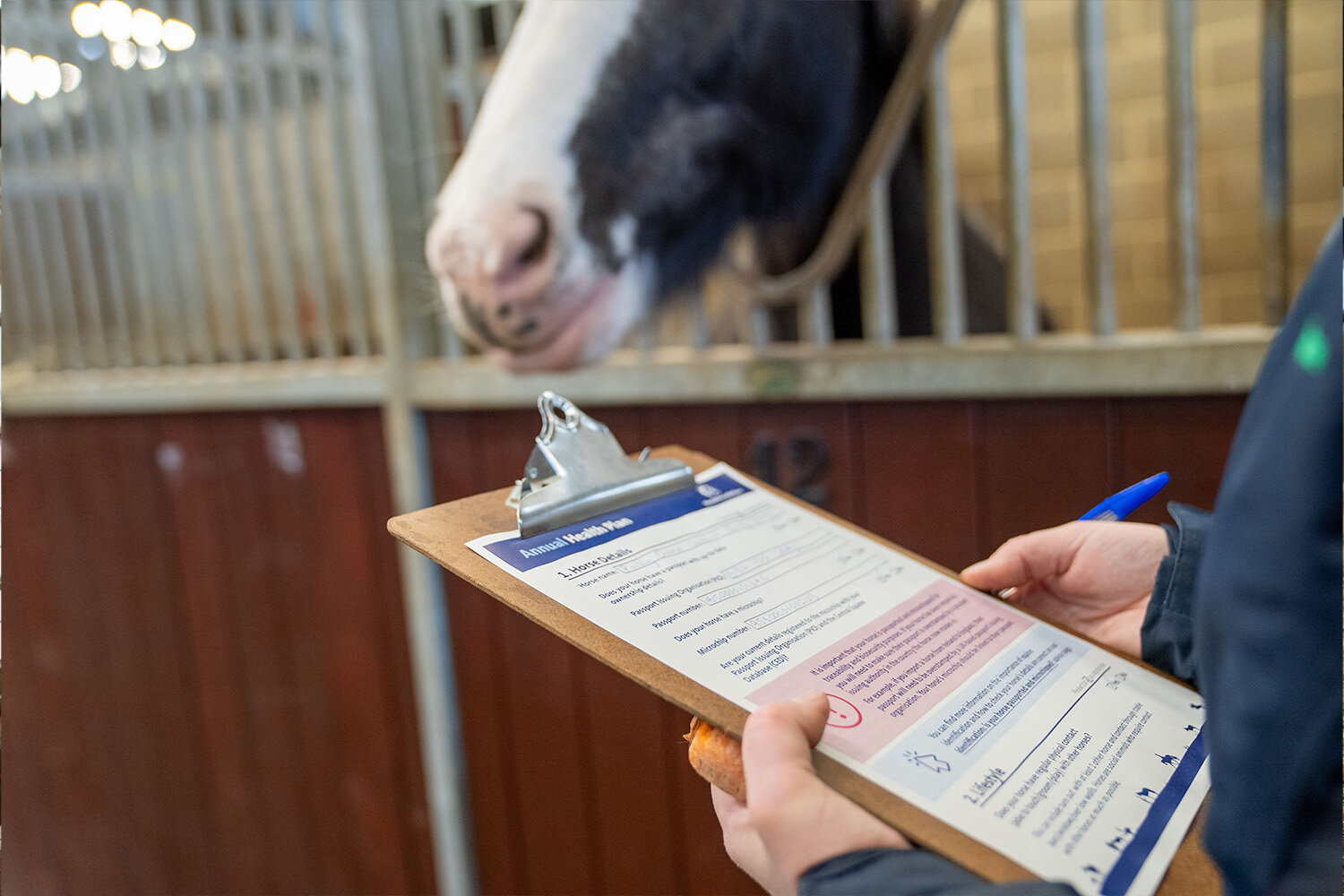
Annual Health Plan launched to support owners in managing their horses’ routine care.
Free to download, the interactive and user-friendly plan aims to support everyone who looks after horses.

New Scottish Welfare of Equids Guidance launches
After collaboration across the Scottish equine sector, the new document will help owners and keepers give horses in Scotland good lives.
Recommended Blog Posts

Our advocacy efforts in Europe
The welfare of horses during transportation - working towards better standards.
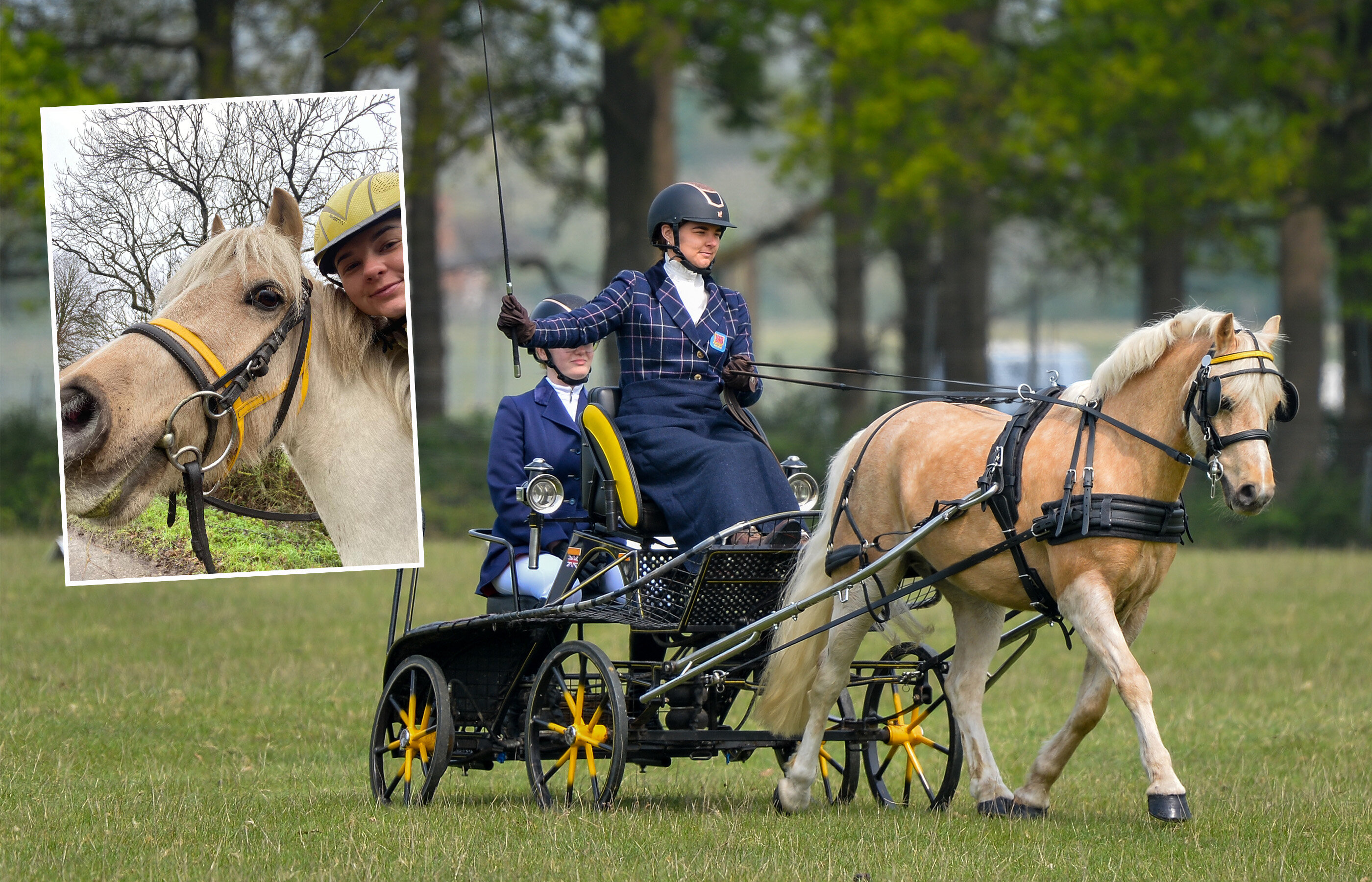
Life beyond rescue: “He’s gone from zero to FEI international 3* hero!”
We catch up with 11-year-old Graham and his rehomer Amelia.
We find out the latest news on Equine Grass Sickness
Belwade Farm Rescue and Rehoming Centre Manager Eileen Gillen shares insights from a conference on the complex disease.
Enjoy reading stories like this?
Join over 65,000 other horse lovers and sign up for our email newsletter

Join over 65,000 other horse lovers and sign up for our email newsletter
Sign me up now
