
Why has World Horse Welfare produced guidance on whether and how to use a whip?
As our understanding of horses' behaviour and how they learn expands, it’s time to reflect on how we use a whip in training.
Posted on 28/01/2026
Share


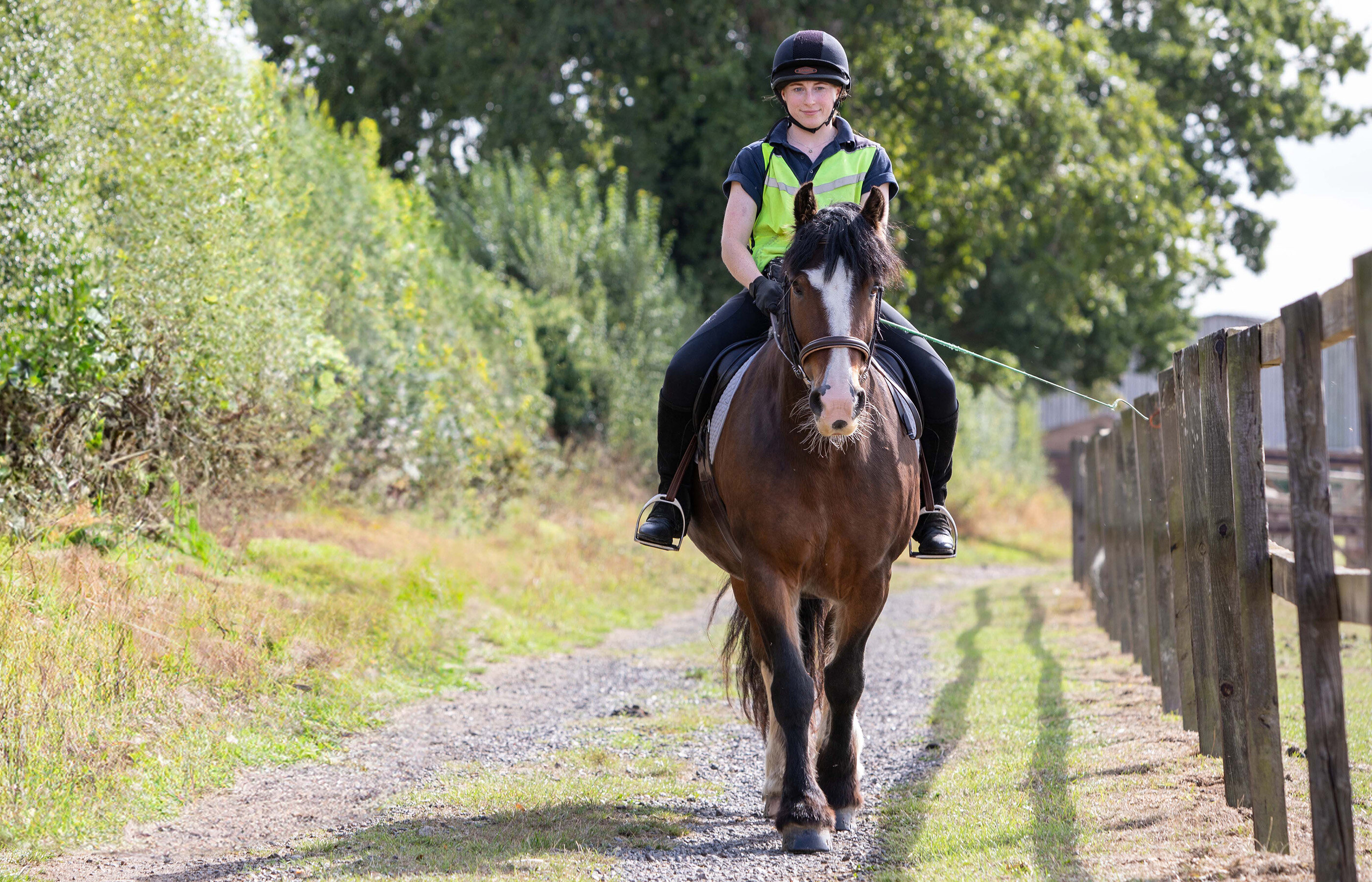
We published our guide Should I carry or use a whip? to start a conversation about how and why people use this most traditional of aids. There are perfectly acceptable ways to use a whip, there are uninformed ways and there are completely unacceptable ways. We wanted to start to explore the differences, with a view to supporting everyone involved in the training and riding of horses to put the horse at the centre of their thinking when it comes to whip use.
For us at World Horse Welfare, those differences are mainly based on two things. Firstly, it’s about understanding how horses learn – in other words, understanding ‘learning theory’ and effective training methods. And secondly, it’s about whether we want to strive to train horses in a way that works but that considers the horse’s experience and doesn’t cause confusion, pain or fear. These two themes are threaded through the guide.
Confusion can easily result from attempts to train a horse without understanding how they learn, whether a whip is involved or not. A sequence of events that might seem logical to us might seem like an entirely random set of events to the horse. Horses simply do not have the cognitive processing power to connect two events that don’t immediately follow each other. So, we need to be mindful of this and always do our best to see the situation from the horse’s point of view.
It doesn’t make a lot of sense to try to train an animal if we don’t understand how they learn. After all, most of us probably wouldn’t be very impressed if schoolteachers didn’t know anything about how children learn. Yet most of us probably do not know nearly as much about how horses learn as we think. This knowledge can be utterly transformative in our interactions with them and the way they respond to us. So, we owe it to them – and to ourselves – to understand this better.
World Horse Welfare supports the ethical and responsible involvement of horses in sport and leisure. We know it is possible to engage horses in these activities and train them to perform well without causing pain or fear. Ethically – and for reasons of self-interest – it is essential that we ride and train horses in ways that are both effective and can be fully justified to the public.
In creating the guide, we talked to people from across the spectrum of the horse world, from those who think that a whip should never be used with even the lightest of touches, to those who support use of the whip with force, with the aim of making an undesired behaviour less likely in the future. These views demonstrated the breadth and strength of opinion that exists on this topic and were invaluable in informing our approach to the guide – a document which, we hope, will be used by people across the entire spectrum of opinion as a springboard to informed and constructive debate and reflection.
Misuse of the whip includes outright abuse – but it also includes using it lightly but in the wrong situation or with poor timing. Much of this lies in a lack of understanding of how horses learn. But it may also result from frustration when riders find that their horse isn’t doing what they want and they resort to using the whip because they have ‘run out of tools in their toolbox’. Or maybe using the whip is just a habit – one that started as a child when picking up your whip before you mounted was as automatic as putting on your riding hat. Our hope is that equestrians will start to question this thinking and consider whether using a whip is truly helpful. This includes questioning the belief that, in some situations, using a whip will keep both them and their horse safer. There may well be circumstances where this is the case – and horse and rider safety is, of course, of paramount importance – but there may be situations where whip use actually increases risk and we think this is an important debate to bring into the open.
We are aware that there are many examples of whip use that aren’t covered in the guide. But it’s a big topic and we wanted to take a first practical step on this journey. However, we feel that it includes the most important principles relating to learning theory and whip use. As time (and the conversation) moves on, we aim to update it.
A key element of the guide is the ‘decision tree’ which prompts people to ask themselves a series of questions about how and why they carry and use a whip. With an emphasis on the minimally aversive use of negative reinforcement (pressure and release), it invites people to consider the situation from the horse’s standpoint before deciding whether or how to use a whip.
We hope the decision tree will give riders and trainers pause for thought the next time they are tempted to use a whip and to head off the “my horse isn’t doing what I want so if I use my whip then they will” attitude that we need to move away from. The aim is not to say, “You should never use a whip”. It is just to say, “You might want to think about all of these things before you introduce a whip into a situation”.
Challenging our own habits and beliefs is never easy but it is important that we start to consider whip use from the horse’s standpoint. If we can be brave and open-minded, ask questions of ourselves and others, and follow ideas where they lead, then the horse-human relationship will almost certainly be better for it.
If you would like to learn more about World Horse Welfare’s approach to use of the whip, you can read our blog Is it acceptable to use a whip on a horse?
Share
Topics
Related Blog Posts

Plan for an emergency when you’re not around – help us to help your horse
Deputy Chief Field Officer Jon Phipps has top tips for owners on making plans just in case your horse injures themselves when you’re not there.
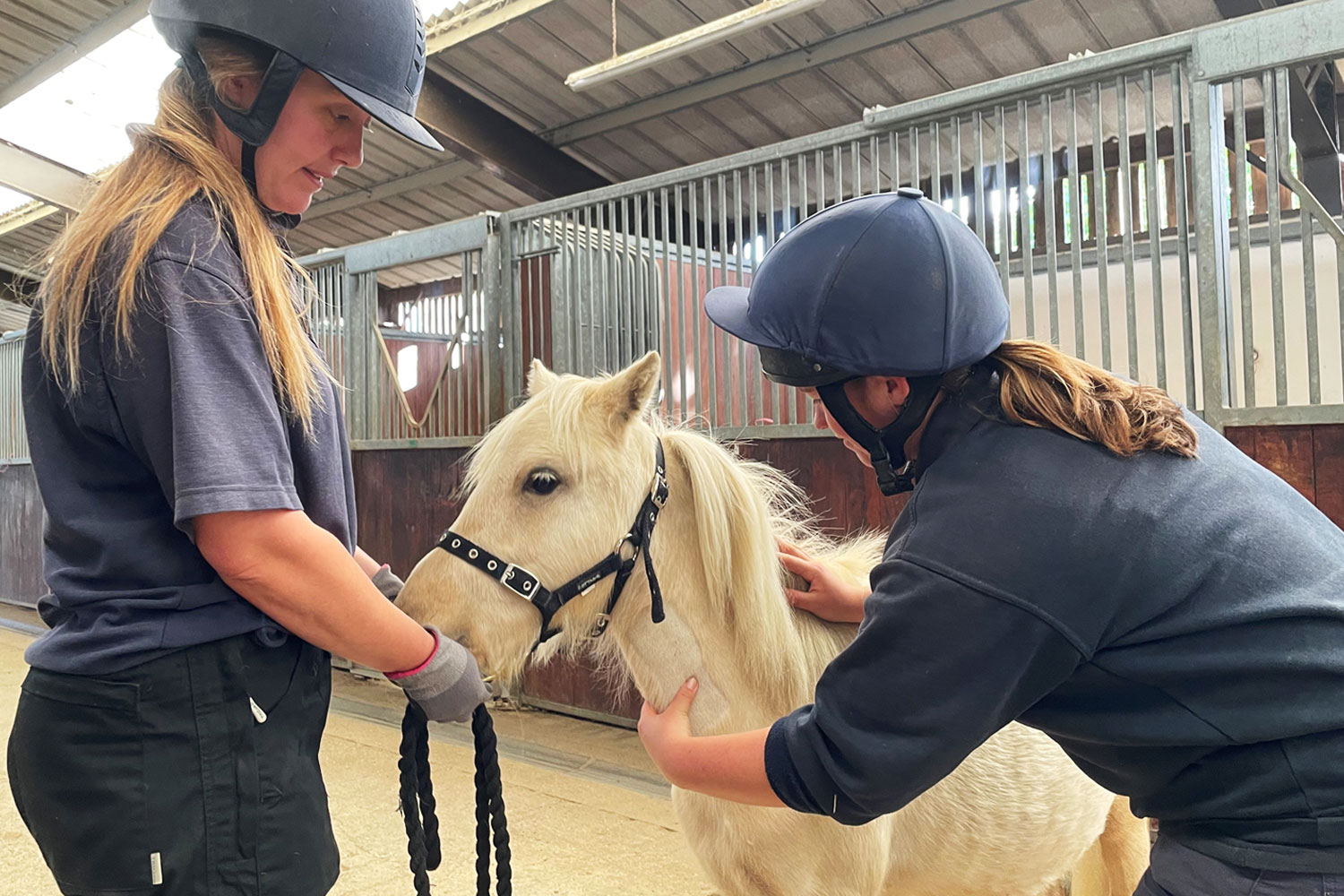
How to help a needle-shy horse overcome their fear
Grooms Amy and Emily explain how they work with horses who are nervous with needles before a visit from the vet.
Recommended News Articles

World Horse Welfare welcomes ‘game-changing’ breakthrough in Equine Grass Sickness treatment
Research finding offers promise of new treatments for potentially fatal Equine Grass Sickness.
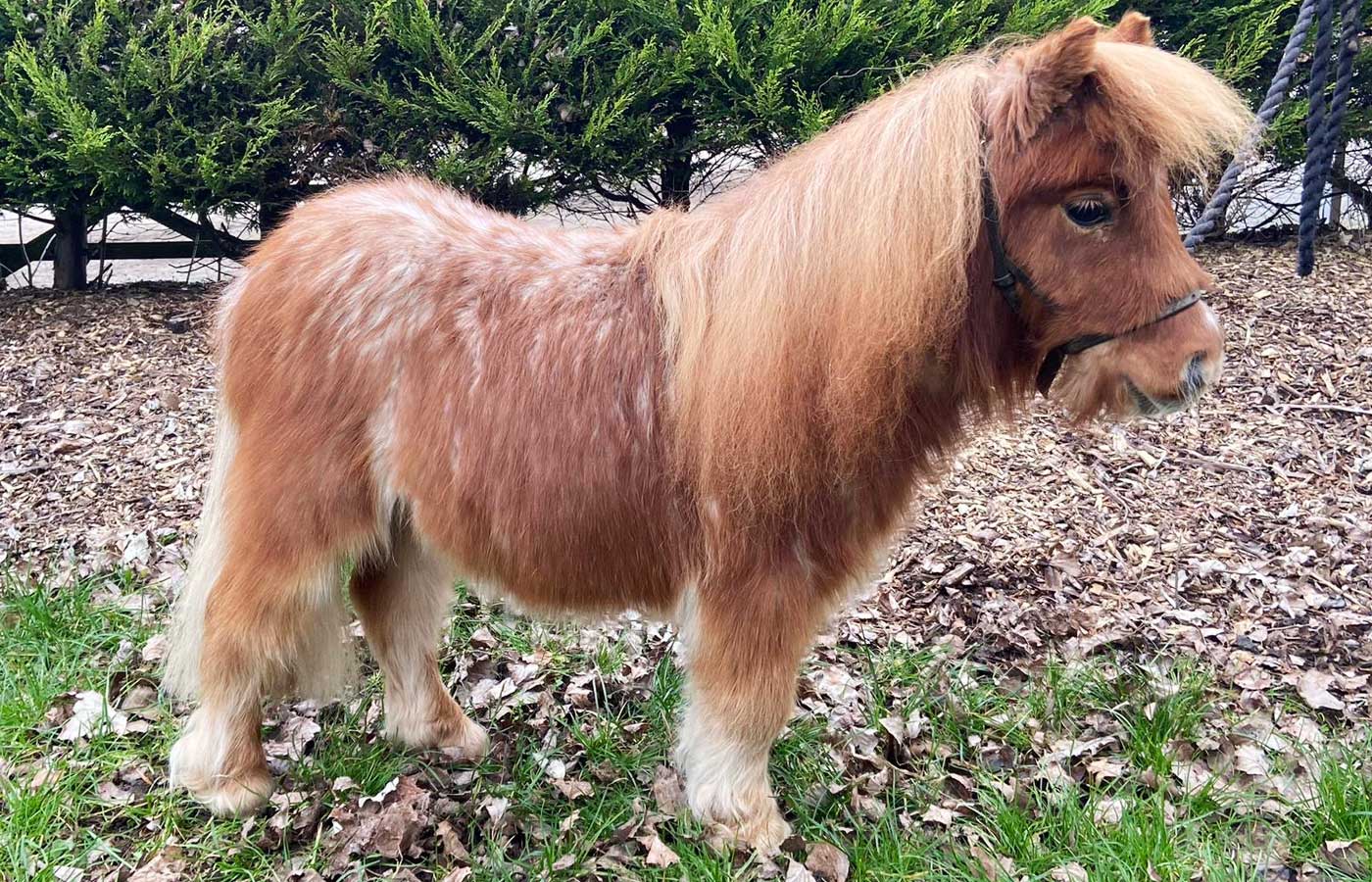
Tiny pony Pickle was found critically ill, but now he’s winning hearts at Penny Farm
When our Field Officer Charlotte Melvin first saw Pickle, he was too weak to stand, struggling to breathe and in desperate need of help.
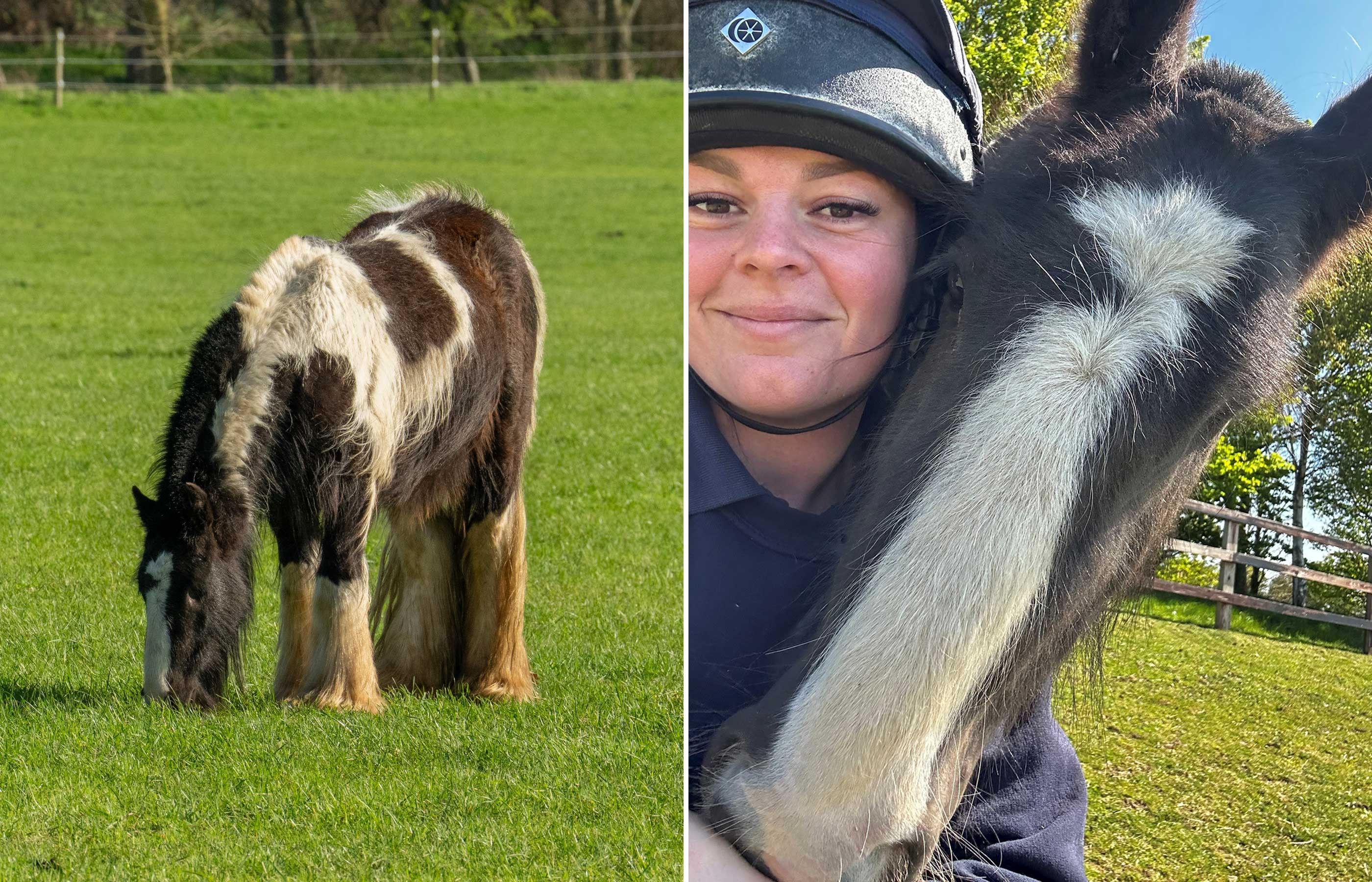
One-eyed pony thriving after charities collaborate to save him
‘Pirate Pete’ sails into new life thanks to joint rescue by the RSPCA and World Horse Welfare.
Enjoy reading stories like this?
Join over 65,000 other horse lovers and sign up for our email newsletter

Join over 65,000 other horse lovers and sign up for our email newsletter
Sign me up now
