
The effects of the cost of living crisis are being felt across our rescue and rehoming centres
Our charity’s own experiences support worrying survey results which highlight horse welfare in the UK is a gathering storm.
Posted on 17/06/2024
Share


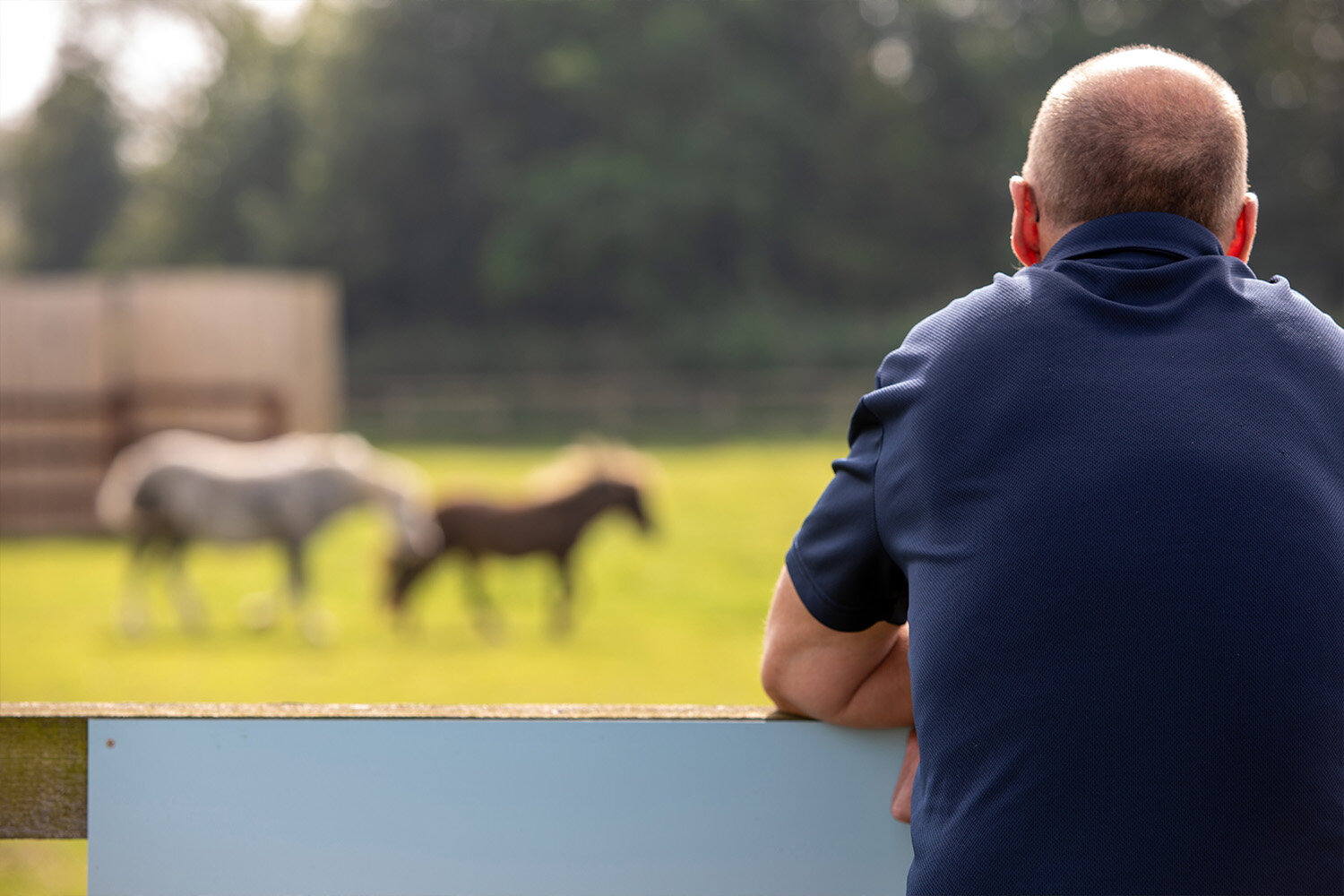
Earlier this year we conducted a survey on behalf of the National Equine Welfare Council (NEWC) and the results have revealed the cost of living crisis is having a significant impact on equine rescue centres, sanctuaries, and rehoming organisations across Britain, including our four Rescue and Rehoming Centres. The news comes as a parallel nationwide survey of horse owners published on Monday highlights similar concerns.
We calculate that on average it costs around £5,000 to care for each and every horse that comes into us, and some cost much more. All our costs are rising, horse food and hay, energy, and sadly, our wonderful vet and other professional teams are having to pass some of their increased costs on to us as well. We are also seeing more and more people contacting us wanting us to take on their horse that they can no longer afford, but we are already nearly full. It’s terrible to think where this might lead.”
Sue Hodgkins, Farm Manager at Hall Farm in Norfolk, expressed the severity of the situation.
Together with other NEWC members, we are raising awareness of the situation before we are faced with another horse crisis.
The equine welfare organisations surveyed in January and February this year included small rescue centres as well as larger, national charities. All 29 organisations who responded said they were concerned with rising costs with over half (51.7%) expressing extreme concern and almost a half (48.3%) worried about maintaining operations over the coming winter.
All of the organisations that responded to the survey are seeing a rise in operational costs compared to this time last year. The four main areas of concern are general maintenance of premises (such as electricity and water), general management of equines (such as forage and bedding), routine veterinary costs (such as dentistry and vaccinations), and staffing.
Our advice and owner support lines have seen a significant increase in the number of calls over the first six months of this year compared to last year and our existing network of field officers on the ground, across the country, are at full capacity visiting potential welfare cases. We, like many other rescue organisations are at, or approaching, full capacity and this could point towards a difficult future for owners, organisations and the welfare of the nation’s horses. If something doesn’t change soon we may return to a welfare crisis – increased costs, more welfare concerns and reducing support just doesn’t add up.”
Tony Tyler, our Deputy Chief Executive, commented on how the cost of living crisis is affecting our charity in other ways.
Read the headline results of the survey for rescue centres, sanctuaries and rehoming organisations.
Read the report of the survey of individual horse owners and keepers.
Share
Topics
Related News

Project takes first step towards lightening the load for horses
Last week (4 – 8 September) researchers have taken the first step towards tackling the issue of rider weight, investigating whether there are any short term measurable differences when horses are ridden by different sized riders.

Landmark study addresses effects of rider weight on equine performance
Results revealed from groundbreaking study into the impact of rider weight.
Recommended Blog Posts
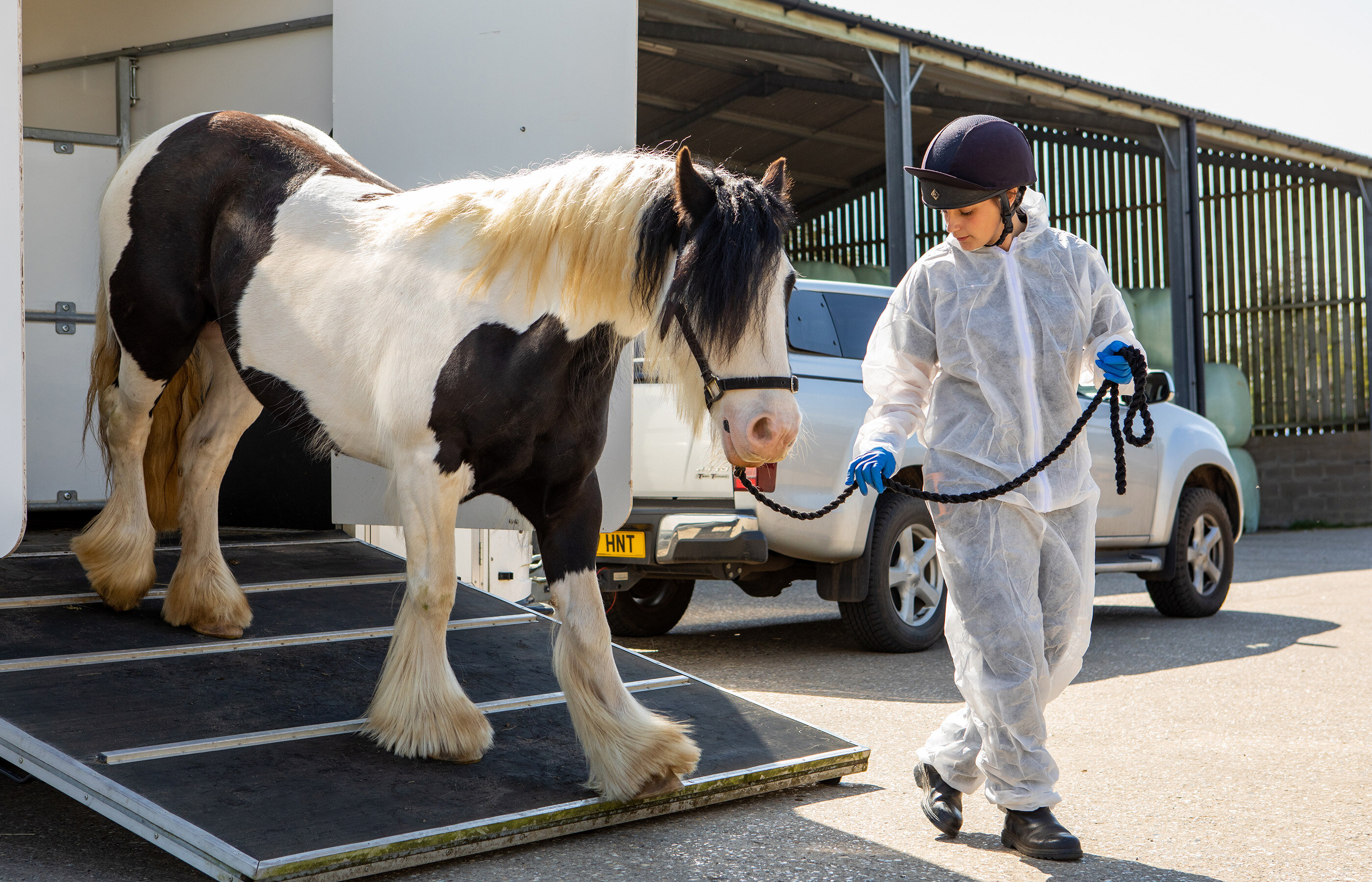
EU-UK reset – will it impact horses?
We chat to Kim Ayling, our Head of Public Affairs, to find out what this may mean for horse welfare.
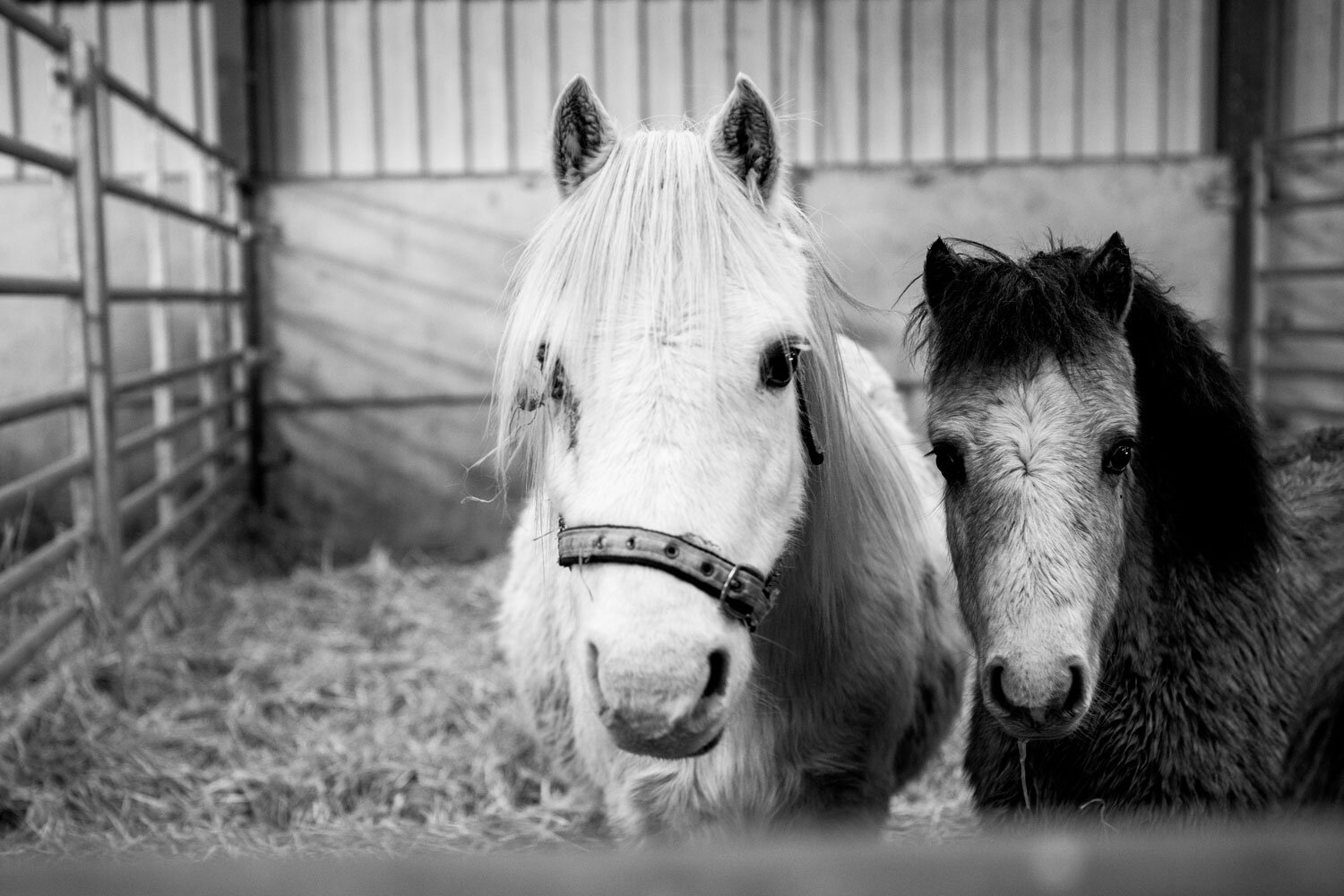
Why do horses come into our care? Is that the only successful outcome of a case?
Chief Field Officer Claire Gordon explains how horses and ponies can come into our care for all kinds of reasons and from all kinds of situations.
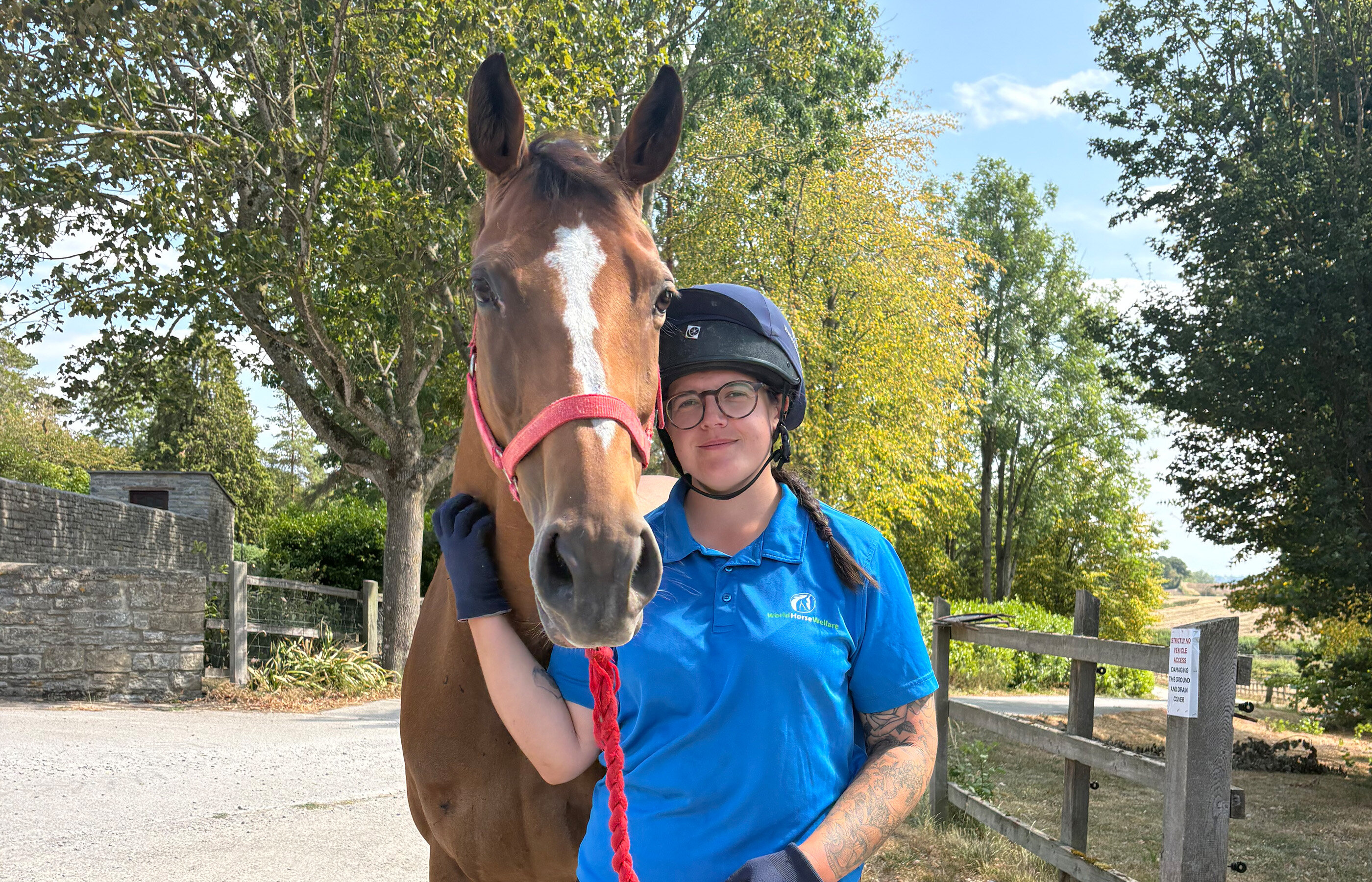
Why the right care at the right time matters for vulnerable horses
How our triage approach helps reduce unnecessary stress and supports better welfare outcomes for vulnerable horses.
Enjoy reading stories like this?
Join over 65,000 other horse lovers and sign up for our email newsletter

Join over 65,000 other horse lovers and sign up for our email newsletter
Sign me up now
