Coalition For Working Equids welcomes statement on need to protect equine welfare in donkey trade
On World Donkey Day, the International Coalition for Working Equids (ICWE) welcomed the World Organisation for Animal Health’s (OIE) 3 May statement.
Posted on 08/05/2019
Share


On World Donkey Day, the International Coalition for Working Equids (ICWE) welcomed the World Organisation for Animal Health’s (OIE) 3 May statement calling for better implementation of OIE standards to help protect the welfare of donkeys – and the people who rely on them – which are currently at risk due to the global trade in donkey skins, especially in Africa.
The coalition (comprised of Brooke, The Donkey Sanctuary, SPANA and World Horse Welfare) has been working in partnership with the OIE on implementing the organisation’s standards on the welfare of working equids and working in communities in Africa where infectious disease has plagued the equine population, with reportedly thousands of donkey fatalities over the past three months. These deaths have further depleted populations already decimated by the indiscriminate, and often illegal, slaughter of donkeys for their skins, which when boiled produce a gelatine called Ejiao, an increasingly popular Chinese remedy.
“Considering the impact and consequences of the increased global demand and trade of donkeys and their products, the OIE encourages its members to implement international standards, not only to protect donkey health and welfare, but also to safeguard the livelihoods that depend on them.”
OIE statement
“World Donkey Day exists for a reason: these animals are intrinsic to the livelihoods of many millions of people. So we welcome the OIE’s statement highlighting the need for OIE standards on welfare, biosecurity, transport and slaughter to be implemented to help protect the donkey population in Africa.
“Thousands of households rely on these donkeys for transport, traction and income generation. We do not yet know the full extent of the impact of the donkey hide trade in Africa and of the loss of so many animals from disease, but ICWE members are ready to support communities and governments with technical advice to help implement the OIE standards. We echo the OIE’s concern about reports of illegal transport and slaughter of these donkeys for a trade which needs to be more humane and sustainable.”
Roly Owers, ICWE Chair
Share
Topics
Related News
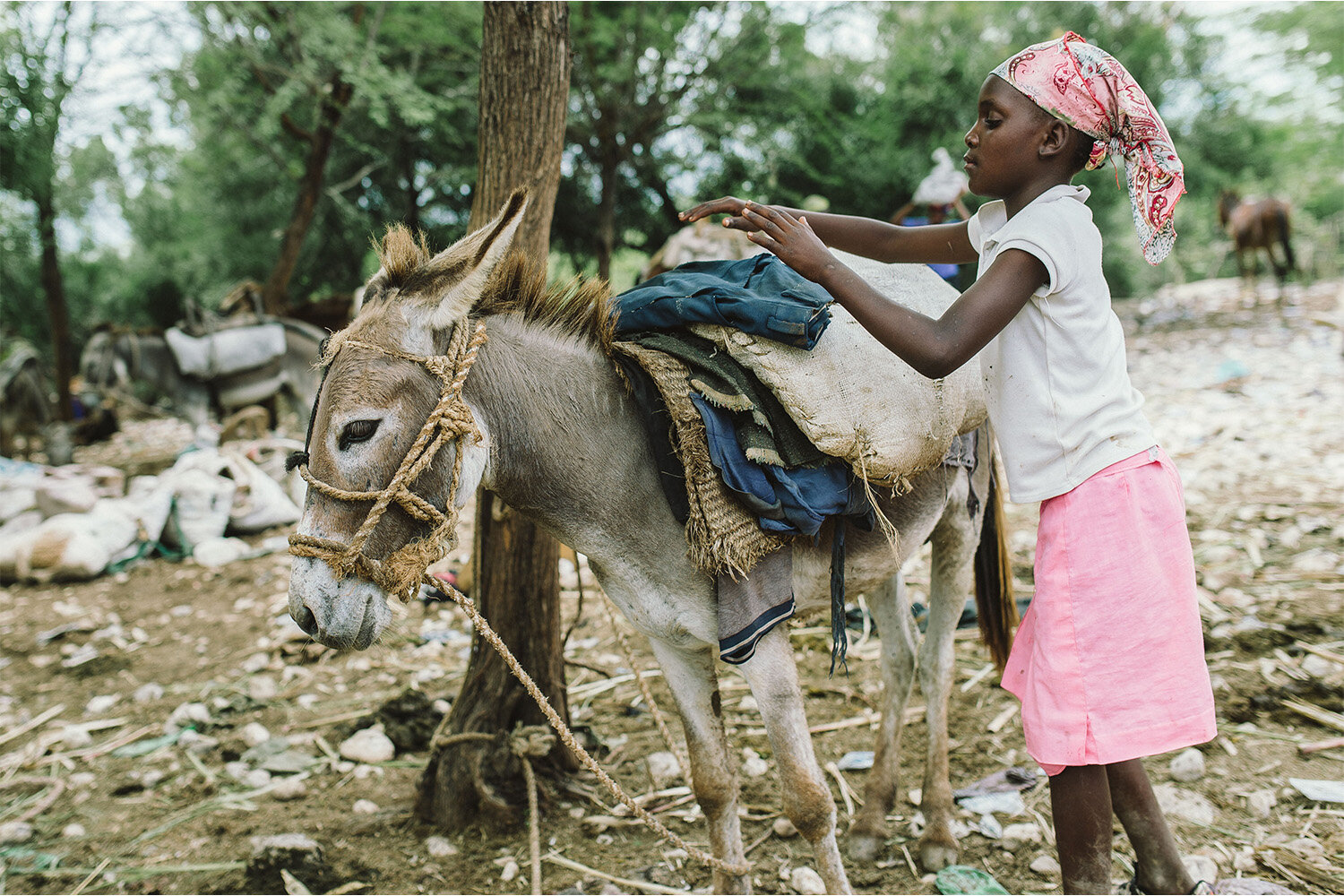
Improved lives for horses – and their owners – in Haiti
End of international project in Haiti sees legacy which will continue to improve the lives of rural Haitians and their equids.
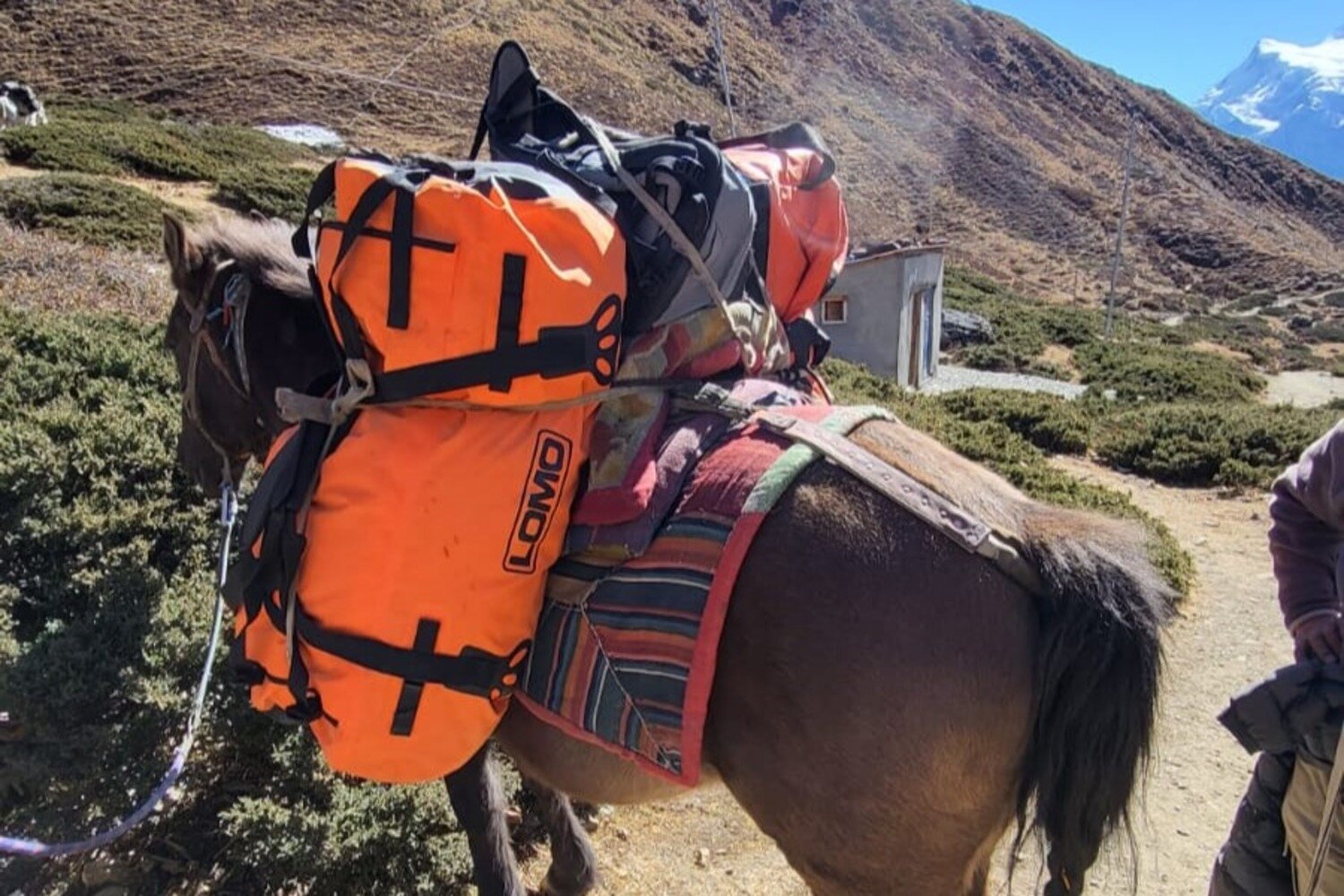
UN recognises vital role of working animals in disaster relief
Years of advocacy from animal welfare organisations leads to United Nations formal recognition of working animals role in disaster risk reduction.
Recommended Blog Posts
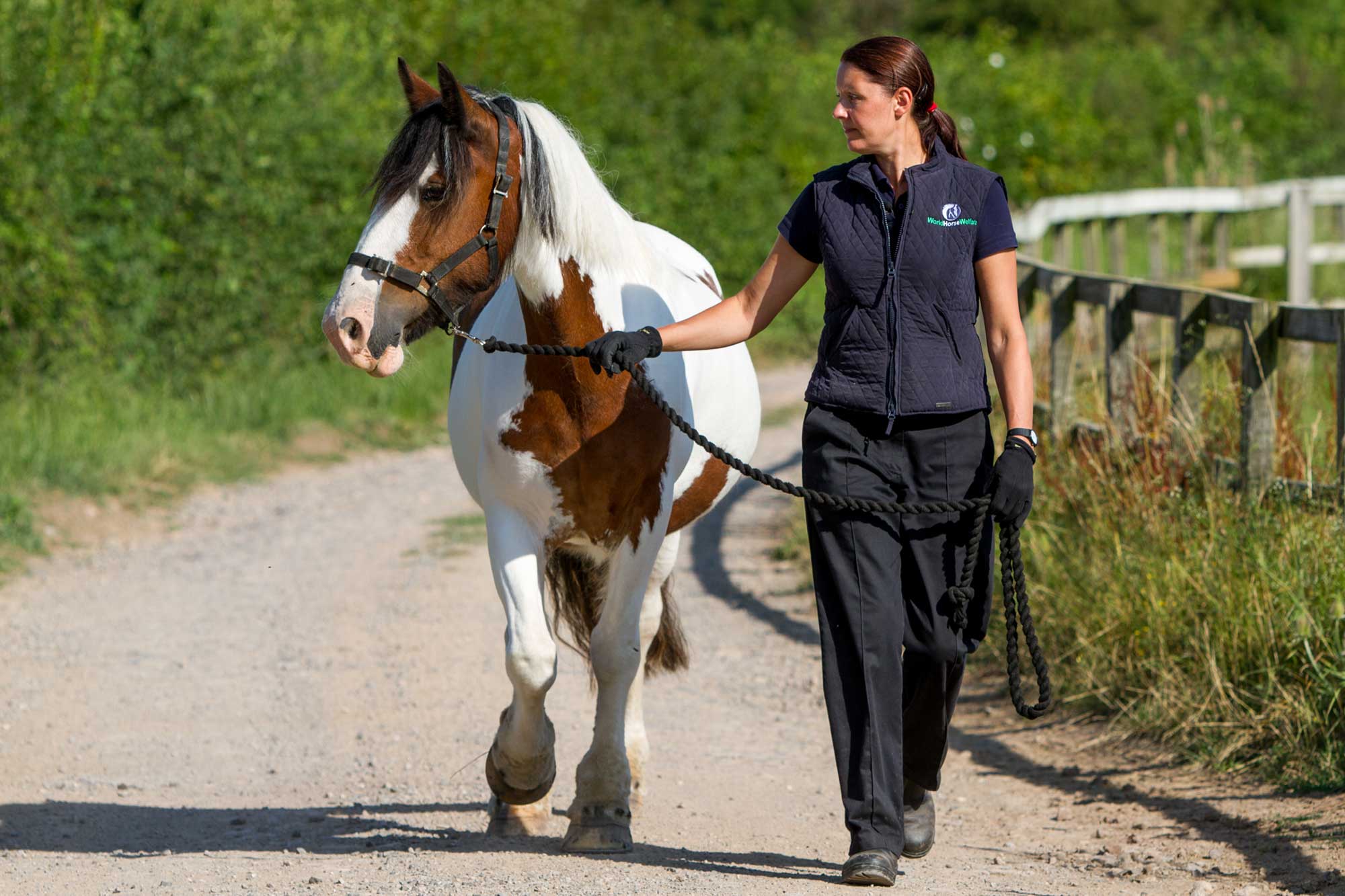
Top tips and practical advice on managing your horse’s weight to keep them healthy
Assistant Centre Manager Sara Jerman explains practical ways to manage your horse’s nutritional intake and keep them at a healthy weight.
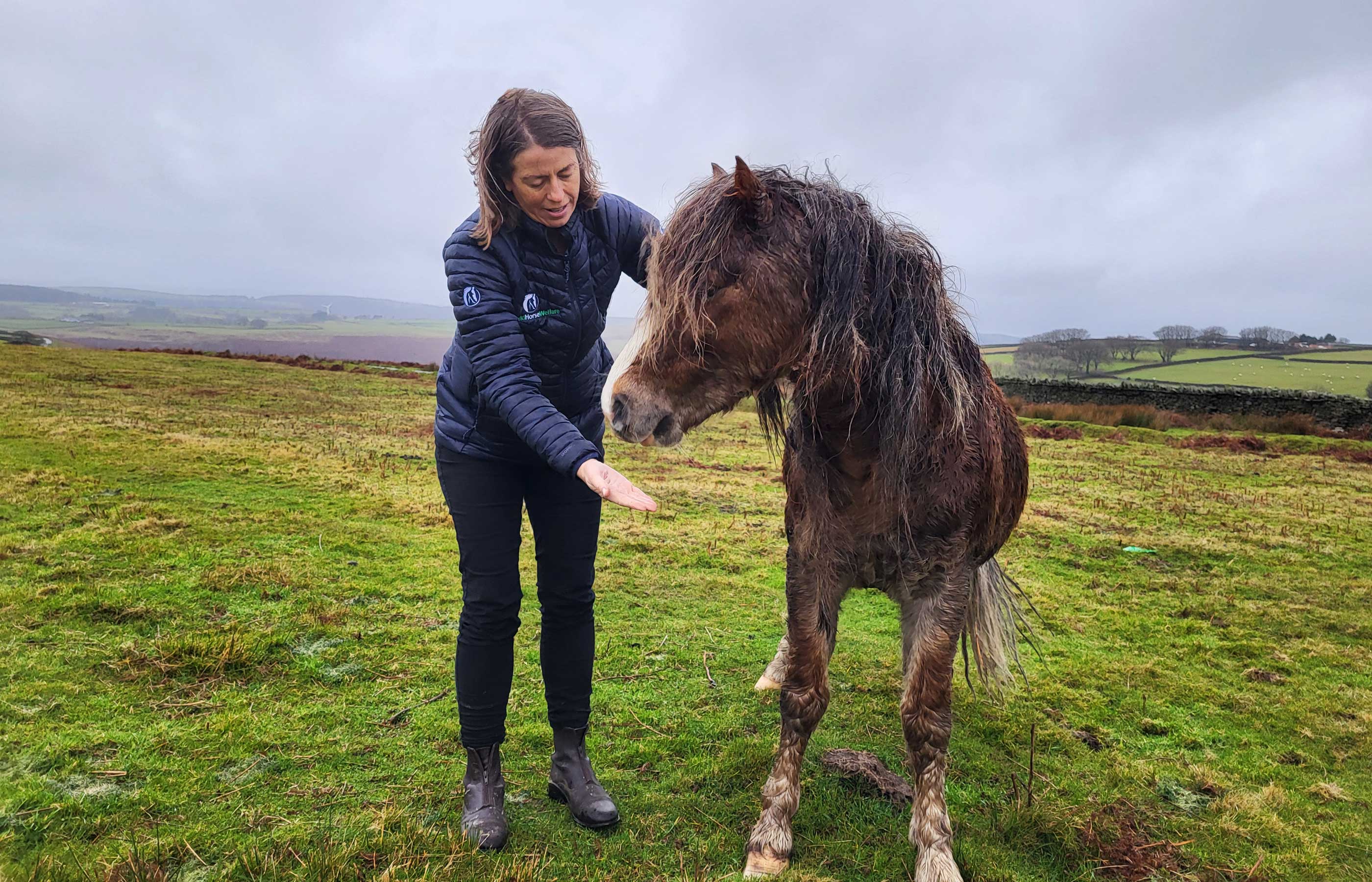
2025 in review: highs and lows in the world of welfare
Our Chief Field Officer Claire Gordon reflects on the challenges and successes 2025 has brought for the welfare sector.
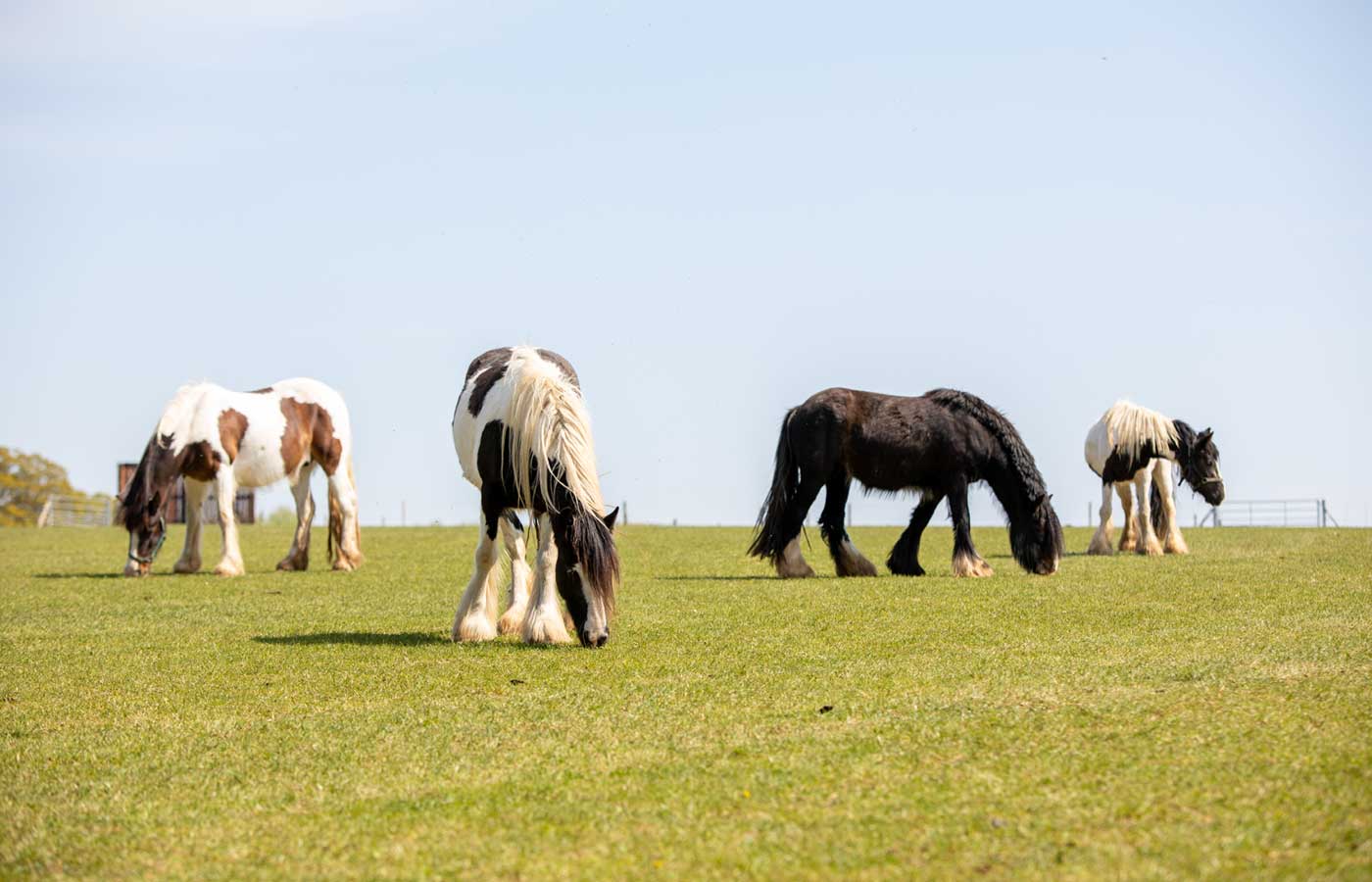
How we’re taking steps to make our rescue and rehoming centres more environmentally sustainable
With the welfare of the environment, horses and people closely interlinked, simple changes can make a big difference.
Enjoy reading stories like this?
Join over 65,000 other horse lovers and sign up for our email newsletter
Join over 65,000 other horse lovers and sign up for our email newsletter
Sign me up now
