
Ponies in the Black Mountains
Find out how to report a pony you’re worried about and how we are working with others towards a long-term solution.
Posted on 04/08/2026
Share


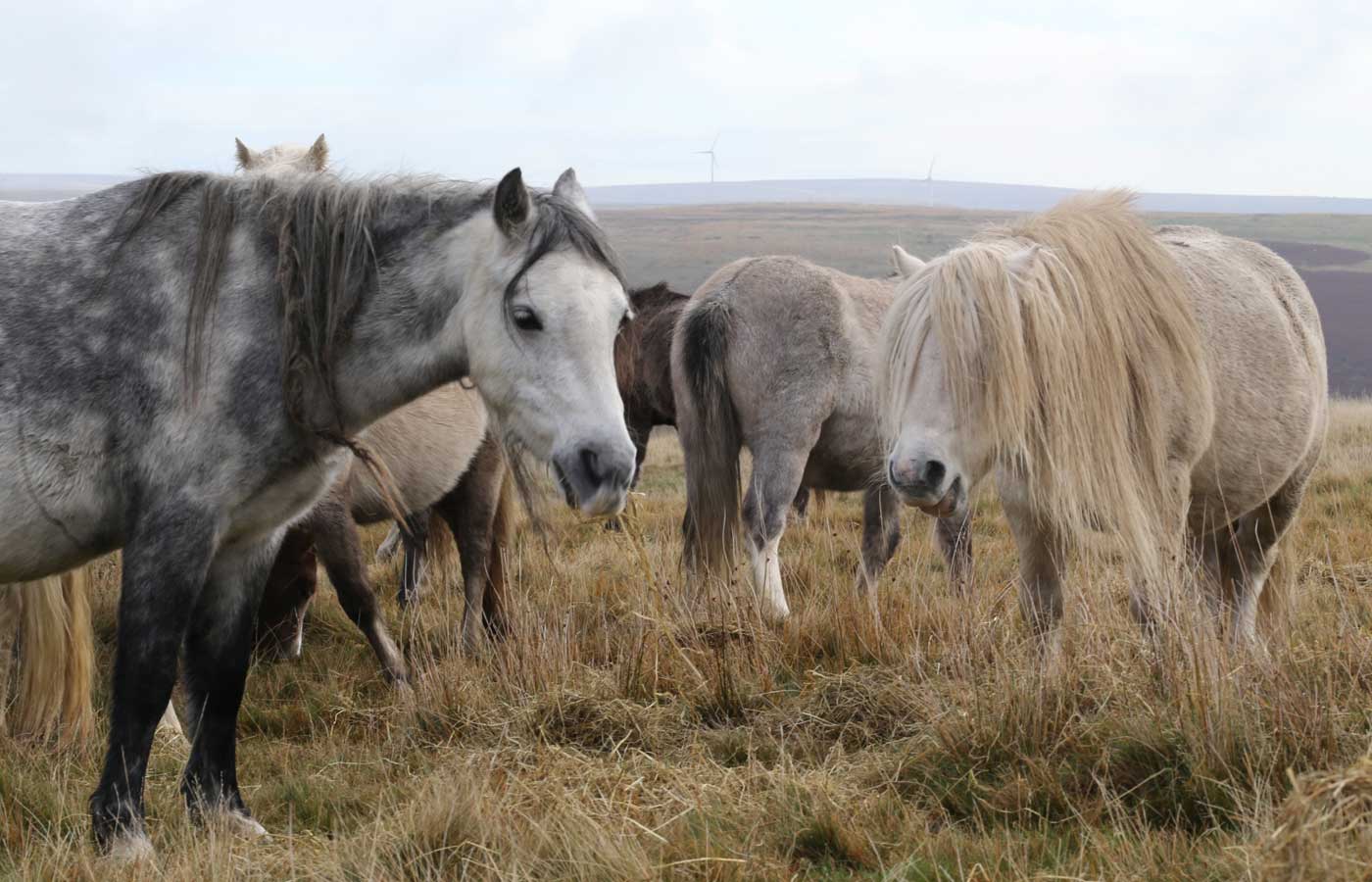
With a number of people recently reporting concerns to us about ponies in the Black Mountains, our Director of UK and vet, Malcolm Morley, explains how welfare issues can be reported and what a long-term solution might look like.
Over recent weeks we have been contacted by a number of people who are worried about the welfare of the ponies in the Black Mountains and surrounding area. We are taking these reports seriously and we know how distressing it is to see ponies in poor condition, particularly thin mares and foals, or animals with injuries or other signs they may need urgent welfare assessment.
It is important to recognise that everyone contacting us about this does so because they care. With that in mind, to help our team respond as effectively as possible, we ask that reports are based on first-hand, current sightings in the Black Mountains. Reports based on content that has been shared on social media can duplicate information or delay our response to other urgent cases, as explained here.
At this present time, we’re working with local and national equine welfare organisations and others with relevant knowledge to better understand the scale and nature of the problem in the Black Mountains. We’re seeking to establish what monitoring or intervention is already taking place, and what practical options may be available both in the immediate future and over the longer term.
Our experience from other remote common areas – such as Gelligaer Common – has shown us that situations like this are rarely solved by one organisation acting alone, or by short-term intervention without a wider plan. The geography, grazing arrangements and ownership all make this a complex issue.
Any meaningful response needs to be coordinated, well informed and supported by those with responsibility, local knowledge and influence locally. Approaches used in other areas may provide useful lessons, but any solution will need to fit the particular realities of the Black Mountains.
Although a long-term solution needs to be researched fully and implemented properly, we understand that there may also be individual ponies in need of more immediate help. Where there are specific animals of concern, clear details are extremely helpful. These include:
- Exact location where possible (using What3Words is most effective)
- Date and time seen
- Description of the pony
- Photographs and/or video
- Confirmation of whether the animal is still present at the time of reporting
These should be reported through our welfare line or online reporting form so they can be properly triaged and recorded.
We are very grateful to local residents and walkers who continue to look out for these ponies and share concerns with us. We know people want to see action, and that it can be frustrating when there is no quick or simple answer. However, we are committed to playing an active part in coordinated work to better protect the welfare of these ponies.
The complexities of managing equine welfare on commons are exactly why World Horse Welfare is taking a leading role in bringing people together on this issue. In September, we are hosting an important conference for many of those with direct experience of equines grazing on commons and moorland across England and Wales.
The aim of the conference is to share what is and is not working, strengthen collaboration, and focus on practical solutions for long-term welfare, conservation and herd management. The current concerns relating to the Black Mountains ponies will undoubtedly form part of those discussions, as will the wider implications for other native pony herds. We will share further updates as this work develops.
If you’re concerned about a horse or pony you’ve seen, you can report the situation to us via our Worried about a horse? page.
Share
Topics
Related Blog Posts
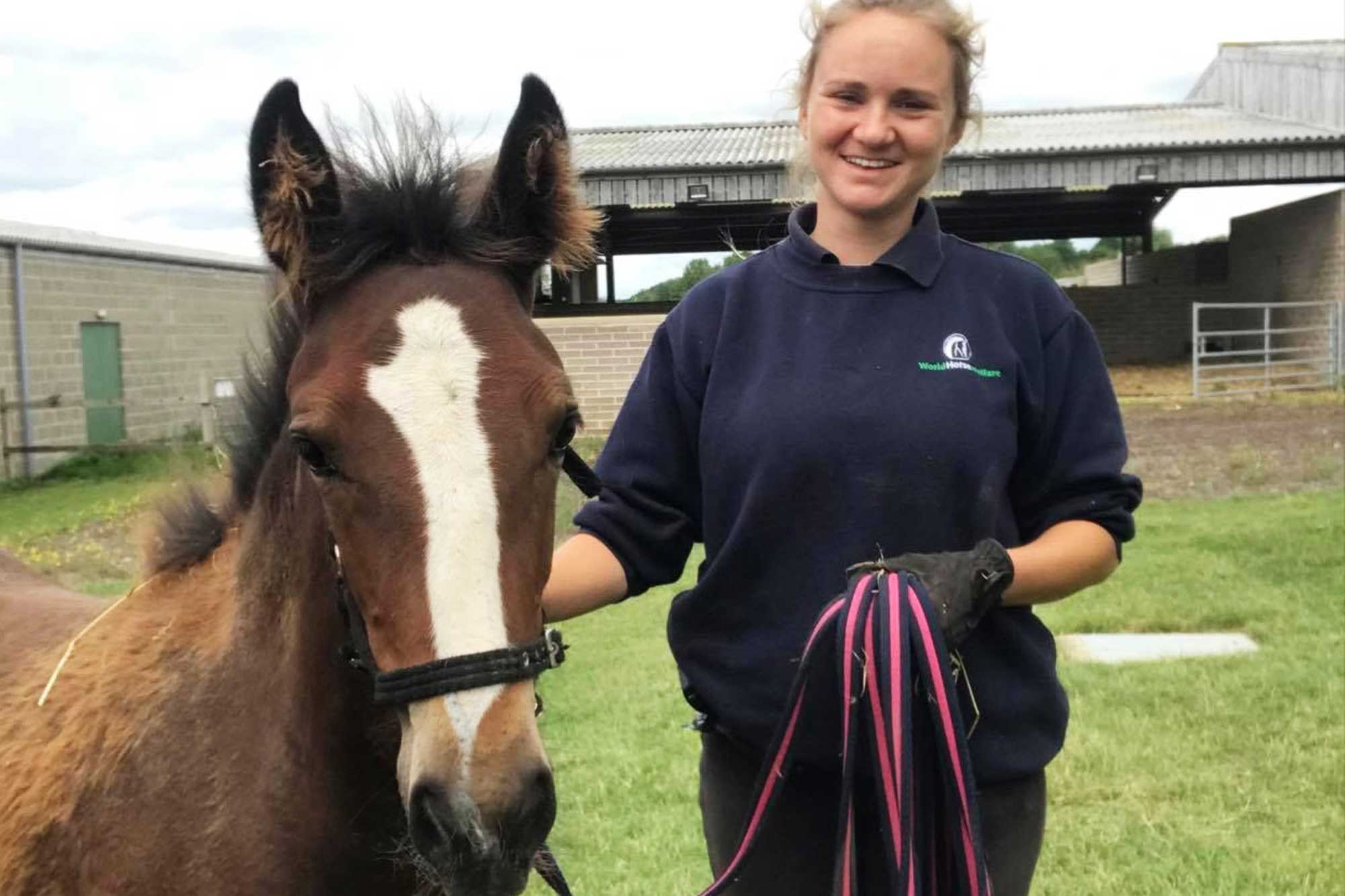
Buena’s story – how our foals are cared for from birth to rehoming
Senior Groom Steph introduces lovely filly Buena and explains how the team care for foals from birth right through to finding them a loving home for youngster handling.
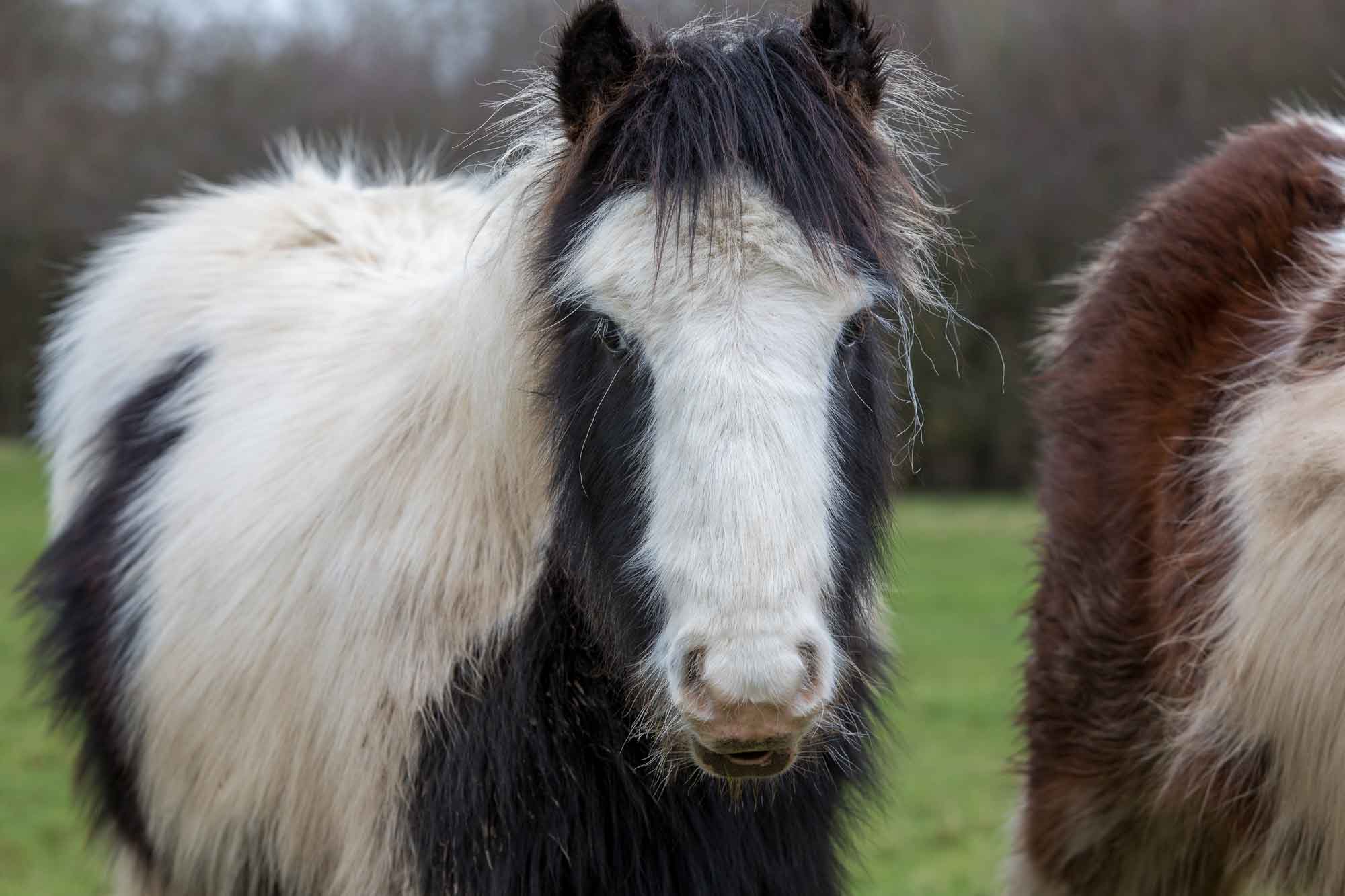
Behind the scenes: the first few months as a World Horse Field Officer
Find out what really goes on behind the scenes as a World Horse Welfare Field Officer.
Recommended News Articles

Tributes paid to much-loved Adoption Horse Digger
19hh Clydesdale World Horse Welfare Digger’s life is celebrated.

New laminitis research shows gaining weight is a risky business
This newly published research provides compelling evidence that laminitis developed significantly more often after horses and ponies gained weight rather than when they lost or maintained weight.

World Horse Trail sculptures showcased at Royal Windsor Horse Show 2019
Ten unique horse sculptures will be enjoyed by visitors to the 2019 Royal Windsor Horse Show.
Enjoy reading stories like this?
Join over 65,000 other horse lovers and sign up for our email newsletter
Join over 65,000 other horse lovers and sign up for our email newsletter
Sign me up now
