
Let’s put the horse’s perspective at the centre when making rules for horse sport
We reflect on the FEI’s new ‘blood rule’ in showjumping.
Posted on 22/01/2026
Share


As an independent welfare advisor to horse sport regulators, our role is to encourage and support them to safeguard their most important participant: the horse. Here we look at the new FEI ‘blood rule’ in showjumping from the horse’s perspective, and offer our reflections.
At our conference last year, we asked guests to look at the world through the horse’s eyes, as this change in perspective can help guide decision-making to ensure the welfare of the horse is put first. World Horse Welfare works to inspire people to put the horse at the centre of how they think, care, act, ride and legislate – and in the case of equestrianism and racing, how they regulate themselves.
So, it’s no surprise that we believe that looking at rules in horse sport from the horse’s perspective – how those rules impact them – is a vital aspect of the rule-setting process.
Take the new ‘blood rule’ in showjumping, approved at the FEI’s General Assembly in Hong Kong last November. The presence of blood in horse sport is always controversial, and rightly so. This is why the FEI’s previous blood rule required immediate elimination of any horse in competition who had any amount of blood on their flanks or mouth, except in “minor cases of blood in the mouth … where a horse appears to have bitten their tongue or lip” – in which case officials were allowed to rinse or wipe the mouth once and allow the athlete to continue, with any further evidence of blood resulting in elimination.
However, for some, the penalty of elimination was disproportionate. Some, too, highlighted how the subsequent headlines of riders eliminated due to blood on the horse needlessly damaged the reputation of the sport.
The FEI aimed to address these concerns with the new rule – approved at the FEI’s General Assembly in November 2025 – which no longer requires immediate elimination of horses that are bleeding (although veterinary approval will always be required for the horse to continue). Instead, if the blood is deemed to be rider-induced or caused by tack or equipment, the FEI will penalise the rider by issuing a warning, which will be published online, with two warnings within 12 months leading to a fine and a month-long suspension. In all other cases of bleeding, the horse will be allowed to continue, subject to veterinary inspection and approval, and no warning will be issued or recorded.
While features of the new rule have real benefits – especially holding riders to account and the addition of veterinary inspections – our view is that, on balance, this is a step backwards for horse welfare. There are three challenges here because the rule has not sufficiently been considered from the perspectives of 1) the horse 2) the veterinary delegates and officials and 3) the wider sport and public.
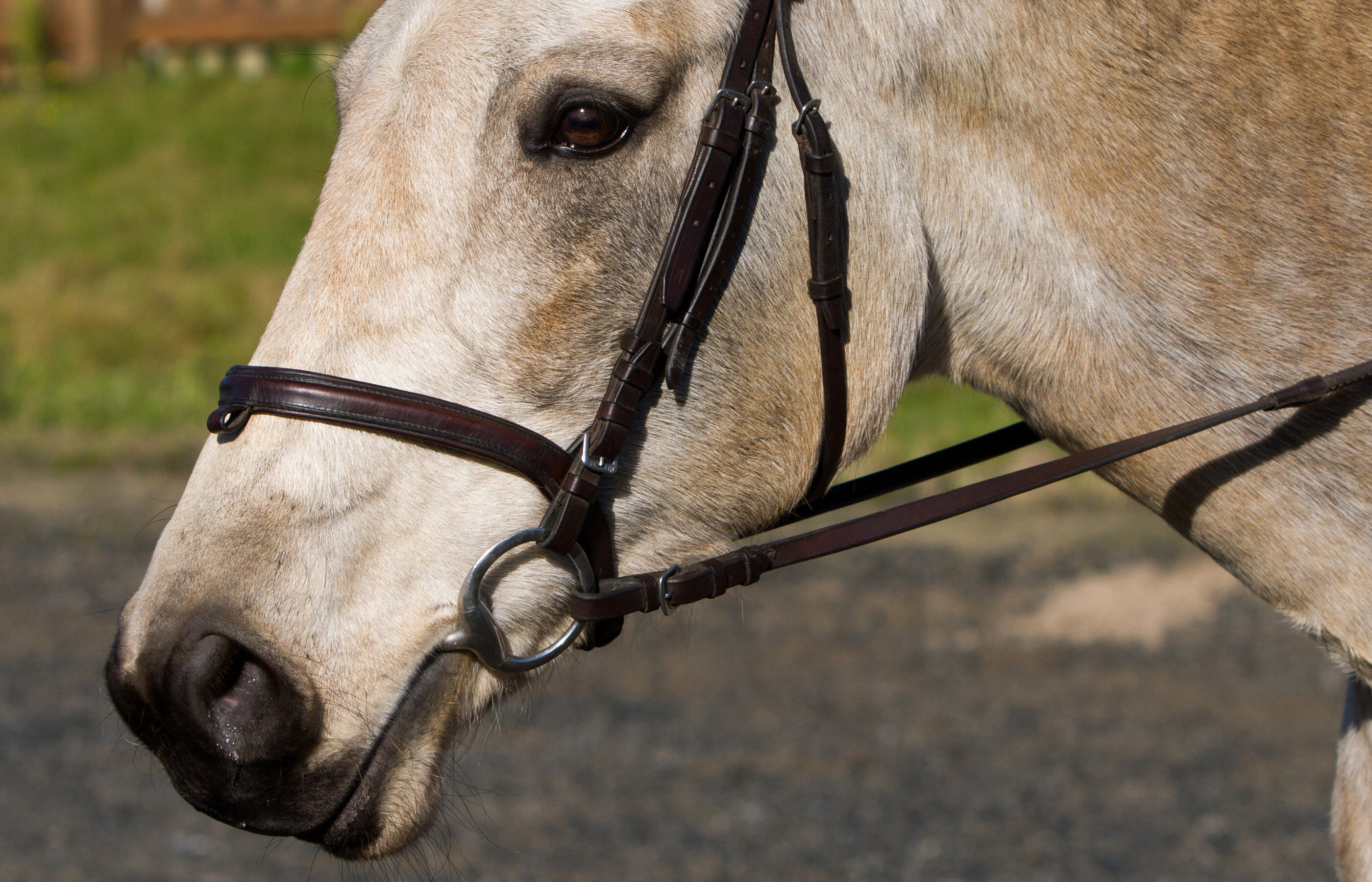
Firstly, the horse’s perspective. A horse with an injury causing them to bleed will not care who caused the injury or how. The fact that they are injured and likely in pain is what matters and avoiding more pain will be particularly important to them. A small scratch on a leg may not bother them at all. But if a cut on the lip or tongue is then rubbed by a bit during competition, this could exacerbate the injury and the pain, no matter how it was caused.
Rinsing the mouth, which is still allowed under the new rule, does nothing to prevent any further tissue damage from bits and bridles that may be caused in the heat of competition. With the growing body of evidence showing the prevalence of oral lesions and damage caused by bit and bridle combinations allowed in showjumping and other sports, wiping away signs of damage from the mouth is never going to be in a horse’s interest. Even small injuries have the potential to be painful, and individual horses will have different tolerances to pain, with some being more affected than others. Instead, the opportunity could have been taken here to change the rules to require a check of horses’ oral health before competition, whether there are signs of blood or not. Any injury or bleeding around the mouth should certainly prompt an exit from competition.
Secondly, there is a real risk that this rule change could put veterinary delegates and officials in a very difficult position. Whether the blood is caused by the rider or the horse could well be a source of disagreement in the cauldron of competition. The pressure on veterinary delegates to clear a horse as fit to compete could be immense and, given the subjectivity allowed by the wording of the rule, could well create a lack of consistency in decision-making across competition, which could cause further disagreement. The real loser in this scenario is likely to be the horse.
Finally, the framing of this rule as a technical amendment focused on riders has signalled to some that the FEI is downgrading protections for the horse for the benefit of competitors. Despite the stated good intentions behind the rule, the prospect of blood on a horse no longer being cause for elimination from competition sends a powerful message to critics and competitors alike. It risks weakening the zero-tolerance policy on horse abuse. This stands in stark relief to the encouraging ambitions of the FEI’s Welfare Action Plan, and the work the FEI is doing on ethical training methods and fitness to compete. It also runs counter to the vision set out by the FEI’s Equine Ethics and Wellbeing Commission.
As a result of this rule, the public might be more likely to see headlines about blood on horses, rather than less. If this is the case, showjumping will be in the spotlight, and equestrian critics will be scrutinising images of blood and calling this out in their photographs and to the media. Having to explain why an injured horse is allowed to compete will be a tricky job.
World Horse Welfare has expressed our real concerns that allowing horses to compete with injuries, however small, risks undermining a culture of empathy and respect for the horse. Horses do not, after all, choose to compete and it is therefore equestrianism’s responsibility and moral duty to minimise the risks associated with the sport. This duty is summed up in the FEI’s own recognition of their participants’ role as guardians, rather than partners, to their horses.
While the rule change was passed with a clear majority, 20 national federations voted against. This includes the British Equestrian Federation. We commend these federations for putting the welfare of the horses at the centre of their decision-making and we fully support their position on this issue.
For World Horse Welfare, horses will always be the primary stakeholders in equestrian sports, and their welfare should be put at the centre of all decision-making. We support the responsible involvement of horses in sport and believe that good welfare and performance are not mutually exclusive. Our vision for the responsible involvement of horses in sport presents evidence-led and ethically-informed guidance on providing competition horses with a good life. A cornerstone of our vision is that the horse’s physical and mental well-being should always be put before the rider’s goals and competitive ambitions. Unfortunately, we do not see how the recent rule change aligns with this principle.
At a time when horse sport is under increasing public scrutiny, this endangers not just the welfare of horses but the future of horse sport. We support greater veterinary involvement in cases where blood is found on a horse, as well as the introduction of greater transparency and sanctions for repeat offenders. However, we believe that these changes should have been introduced in addition to automatic elimination, not instead of it.
Looking ahead, we will continue to engage with the FEI in a constructive dialogue on the welfare of horses involved in sport. It is essential that this rule change is followed up with an evaluation, over the coming months and years, of its impact on the horses. Ultimately, the proof will be in the pudding whether or not the change lives up to the FEI’s intentions.
Share
Topics
Related Blog Posts

Post Olympic reflections on equestrian sport
We all have the power and the responsibility to move towards more ethical and evidence-based equestrianism.

A new look for our next century of action
Chief Executive Roly Owers explains why a refreshed identity will help support World Horse Welfare’s next century of action.
Recommended News Articles

Malcolm’s journey from terrified foal to confident youngster
Having been rescued after being dumped in a field by a railway line, Malcolm has blossomed in the care of our Glenda Spooner Farm team.
Enjoy reading stories like this?
Join over 65,000 other horse lovers and sign up for our email newsletter

Join over 65,000 other horse lovers and sign up for our email newsletter
Sign me up now
