
Tracing horse movements across the European Union
Find out how our research is driving positive action for horses by looking at cross border European movements.
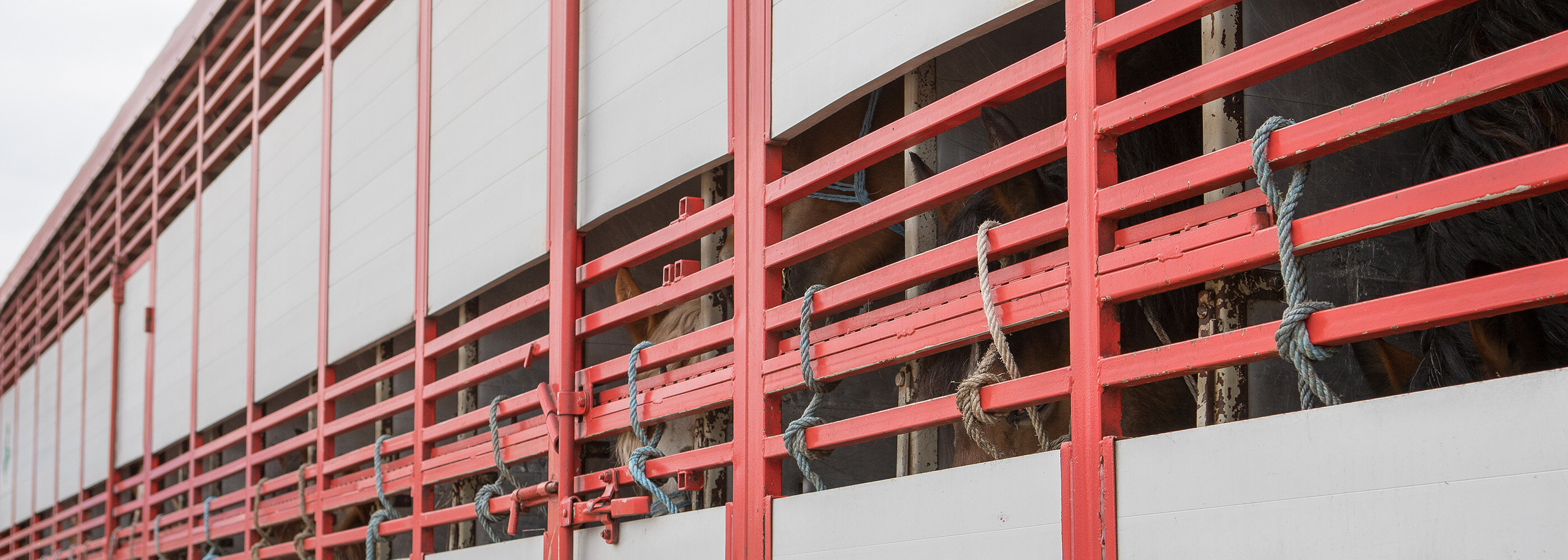
Find out how our research is driving positive action for horses by looking at cross border European movements.
Tracking horse movements across Europe: Evidence from Southern Italy
Every day, horses travel across Europe for breeding, competition, sale, leisure or slaughter. Whatever the purpose, every horse should be transported safely and in compliance with the law. Effective traceability and accurate documentation are essential to protecting welfare, enforcing standards and maintaining trust in the transport system.
At the end of 2024, World Horse Welfare collaborated with researcher Professor Barbara Padalino and her team to analyse official movement data for more than 3,000 horses transported into, out of, and through Apulia in Southern Italy. What emerged was deeply concerning and pointed to serious weaknesses in how horse movements are recorded, monitored and enforced.
The findings were deeply concerning and the data revealed serious weaknesses in how horse movements are recorded, monitored and enforced.
Why horse welfare during transport in Europe matters
EU law – Regulation (EC) 1/2005 – is intended to safeguard animal welfare during transport. Yet persistent concerns about long journeys, lack of traceability and weak enforcement suggest that many horses are still being put at risk.
To better understand what movements were being undertaken across borders in Europe, we examined transport activity linked to Southern Italy, a key transit and destination region within Europe’s horse transport network.
Why were horse movements investigated?
Professor Barbara Padalino and her team carried out a retrospective analysis of Trade Control and Expert System (TRACES) records covering horse movements into, out of, and through Apulia between 2022 and 2023.
- 290 TRACES records reviewed
- 3,254 horses represented
- Movements included slaughter and non-slaughter journeys
TRACES is a critical system for monitoring animal transport across borders. When it works well, it supports welfare protection, traceability and enforcement. When it does not, horses pay the price.
What the trail reveals
Our analysis showed that the paper trail intended to safeguard horses during transport is frequently inaccurate or incomplete:
- Almost every official record contained at least one error or non-compliance
- 50% of consignments that required Journey Logs were missing them
- Many registered horses transported for slaughter were not declared as slaughter movements. As a result, essential welfare checks, journey planning requirements and rest provisions were potentially bypassed
- Journey durations, including rest stops, regularly exceeded 48 hours
- Patterns of repeat inaccuracies were linked to specific transporters
These widespread failures undermine the entire transport system. Poor traceability makes it harder to follow individual journeys, identify serious welfare risks or challenge poor practice by repeat offenders.
Understanding the weaknesses in the traceability system
These findings reinforce the picture from our earlier research examining the welfare of horses on arrival at slaughterhouses in Italy. Taken together, the evidence shows that welfare risks begin long before horses reach their final destination.
When movements are misclassified, records are incomplete or journeys are inadequately monitored, problems can accumulate along the way – leaving horses exposed and enforcement authorities unable to intervene effectively.
Why long-distance horse transport poses welfare risks
Horses cannot challenge inaccurate paperwork, object to overcrowding or ask for rest, water or space. When monitoring systems fail and enforcement is stretched thin, horses are left unprotected.
The complexities and non-compliance of TRACES, alongside a weak equine identification system, undermine not only animal welfare but also food safety, transparency and public trust. Without accurate data and proper oversight, poor practice is allowed to continue unchecked.
Our recommendations to improve horse welfare during transport in Europe

Our commitment to traceability, accountability and enforcement
As a leading advocate for horse welfare, we are pushing hard for meaningful change. We are calling for:
- Clearer and more accurate traceability for all horse movements
- Consistent welfare protections regardless of journey purpose or registration status
- Robust enforcement to ensure the law is applied fairly and repeat offenders are held to account
Horses rely on us to protect them on every journey so we will continue to be relentless in our calls for change until horse transport laws and their enforcement truly safeguard welfare.
Published paper:
Find out more
Head over to our blog to find out more about this project first-hand as we catch up with our Research and Education Officer, Alana Chapman.


