
How we’re taking steps to make our rescue and rehoming centres more environmentally sustainable
With the welfare of the environment, horses and people closely interlinked, simple changes can make a big difference.
Posted on 29/01/2026
Share


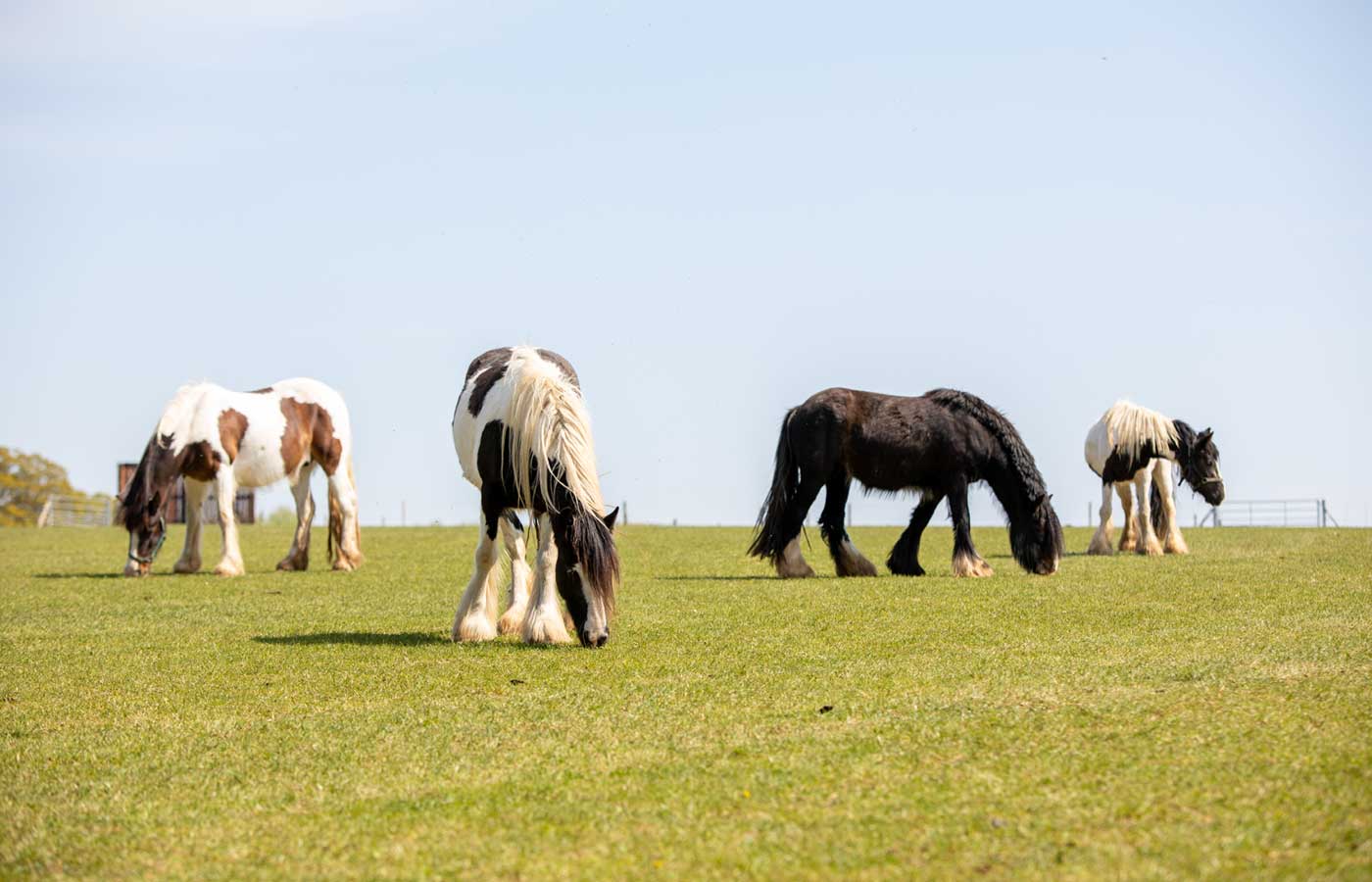
Here at World Horse Welfare, we know that the choices we make as custodians of the land at our four rescue and rehoming centres can have consequences on the environment, our horses and our staff. We catch up with Jenny Fernando, Chair of our Environmental Impact Working Group, to hear more about environmental sustainability initiatives at our centres.
“As an international charity which works to strengthen horse-human relationships, we recognise that a healthy environment underpins those relationships – and many of those involved with horses are land managers, who have a huge opportunity to improve the environment. Striving to embed environmental sustainability in our own operations, we’ve introduced a number of measures across our four rescue and rehoming centres.
“Some simple steps can have a big impact in the long term, such as the tank at our Hall Farm Rescue and Rehoming Centre that gathers the rainwater running off the rooves of our buildings to use to flush the toilets in our visitor centre. We also have motion sensor lights set up in the office, tack room, break out room, feed room, and rug room, helping to reduce the amount of electricity used. We changed these as and when the lighting was due for renewal, so it wasn’t overly costly to implement. Similarly, at our Penny Farm centre, near Blackpool, keeping the skylights clean makes a big difference in reducing how often the lights need to be turned on in the indoor arena. The team there now poo-pick two or three times a week rather than daily – in paddocks where we know the horses are healthy and don’t have high worm burdens – to support the dung beetle population on the farm.
“At our Belwade Farm in Scotland, we use our muck heap to fertilise our hay fields to keep it as natural as possible. Though we already have an abundance of beautiful mature trees at the farm, we’ve been planting new shelter belts using native tree and shrub species, including those preferred by our red squirrels. These belts provide our horses with shelter and create a good ‘highway’ of trees to support our red squirrel population. In one area of the farm with lighter, sandy soil, we’ve planted a copse of trees and shrubs to improve the soil structure, as the team had noticed it had become quite unstable. Exploring and monitoring the flora and fauna resident on the farm has been key to understanding how we can best manage the land to meet the needs of nature. We have a rare moth in residence and have been able to ensure we create as welcoming a habitat as possible with very little effort.
“Having experienced flash flooding at our Glenda Spooner Farm, in Somerset, last winter, followed by a summer of drought, the team there is now focussed on keeping the soil as healthy as possible and the centre manager, Claire Dickie, has done a huge amount of research into this. It’s really changed the way traffic – whether vehicular, human or equine – is managed at the farm now, from providing surfaced feeding areas in the fields in the winter to making use of track systems to rest large areas in the centre of the fields in the summer. We’re trying to be as environmentally conscious as possible, in the knowledge that sustainable land management is a really long-term project. We have to be mindful of the fact that everything we do – or don’t do – and every choice we make as custodians of the land has consequences.
“We’re continuing our efforts to plant trees and hedging across all four centres, which helps to reduce soil erosion, capture carbon, provide a habitat for wildlife and, in time, will provide shelter and browsing interest for our horses. It’s a real win-win and funding is readily available to assist with the cost. A clear illustration of how small changes can have a big impact is the growth in the population of hedgehogs and slow worms at Glenda Spooner Farm since we stopped mowing and strimming areas that don’t need to be cut, such as under hedges along the tracks.”
If you’re curious about your own yard’s environmental impact and carbon footprint, check out the Equine Carbon Calculator.
Share
Topics
Related Blog Posts
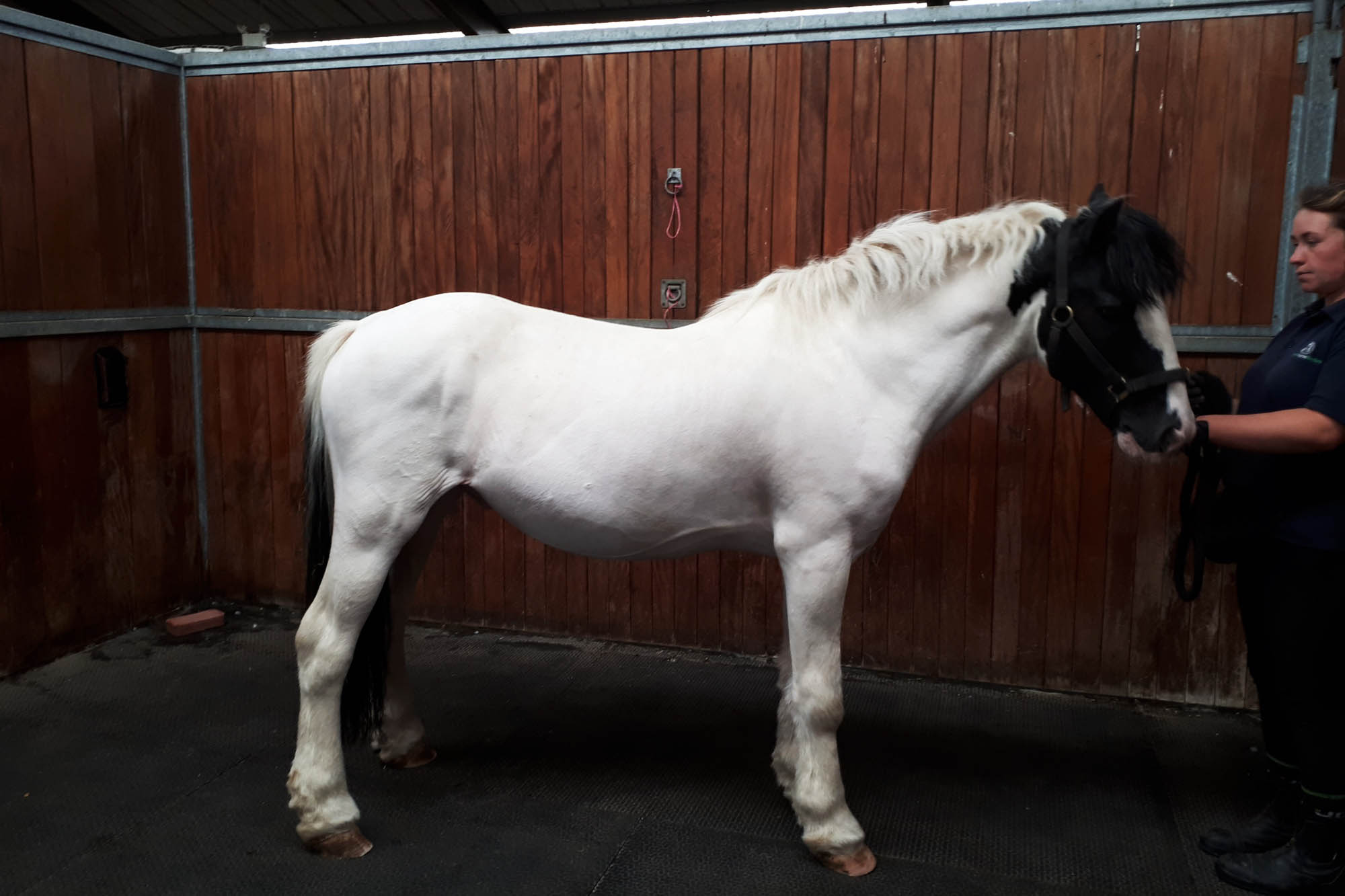
A day with the vet: scans and x-rays
Claire Dickie, Glenda Spooner Farm Centre Manager, describes some of the cases looked at in the course of a vet day.
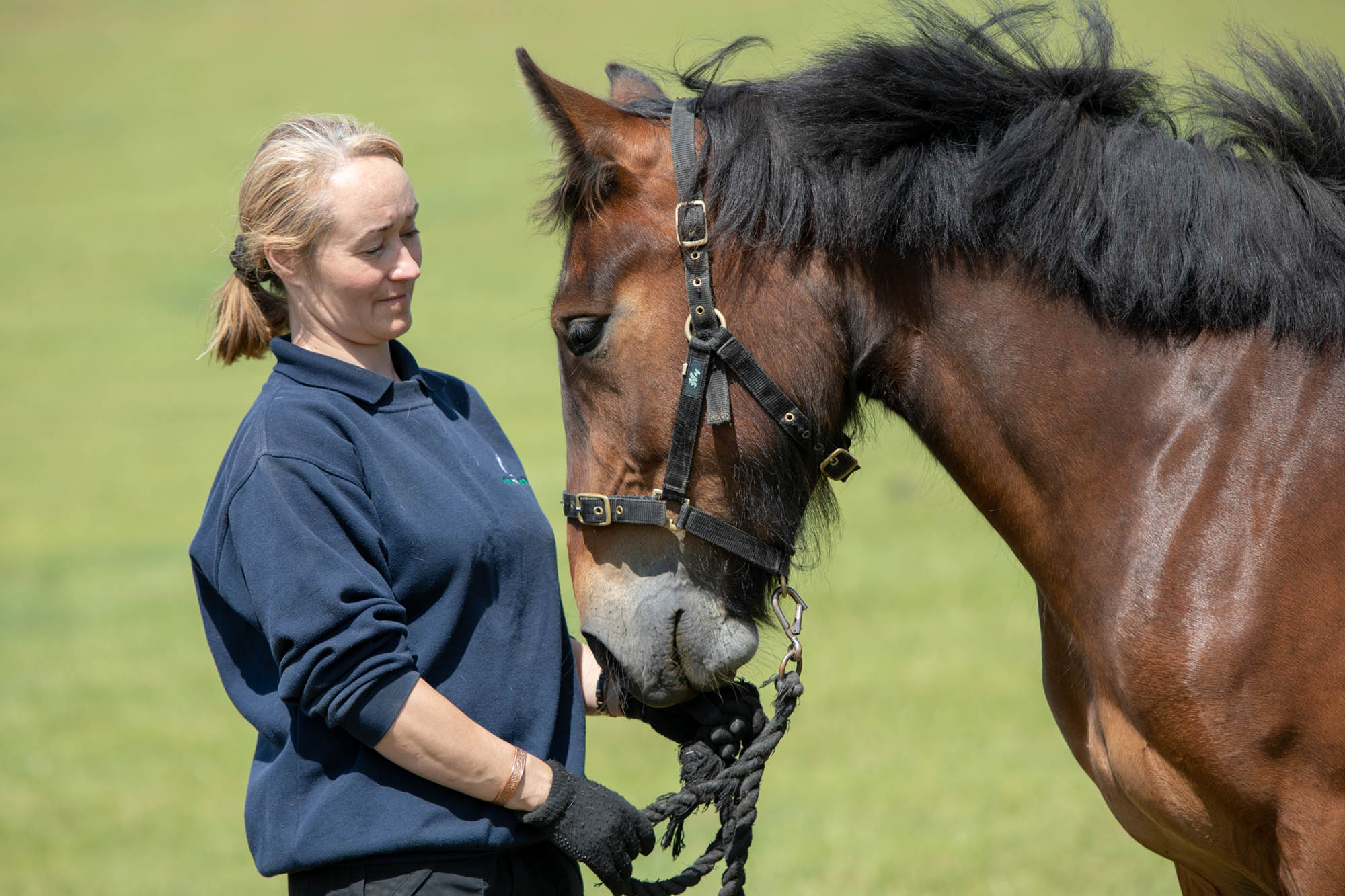
“So how does Vet Day work then?”
Claire Dickie, Glenda Spooner Farm Centre Manager, gives an overview of how vet day works at our farms.
Recommended News Articles

Our Somerton centre has reopened to visitors following devastating floods earlier this month
World Horse Welfare extend thanks to everyone who offered to help
Equestrian and racing leaders gather to consider what makes good people adopt poor welfare practices in horse sport
World Horse Welfare organised conference sees over 200 horse sport leaders discuss accountability for welfare.
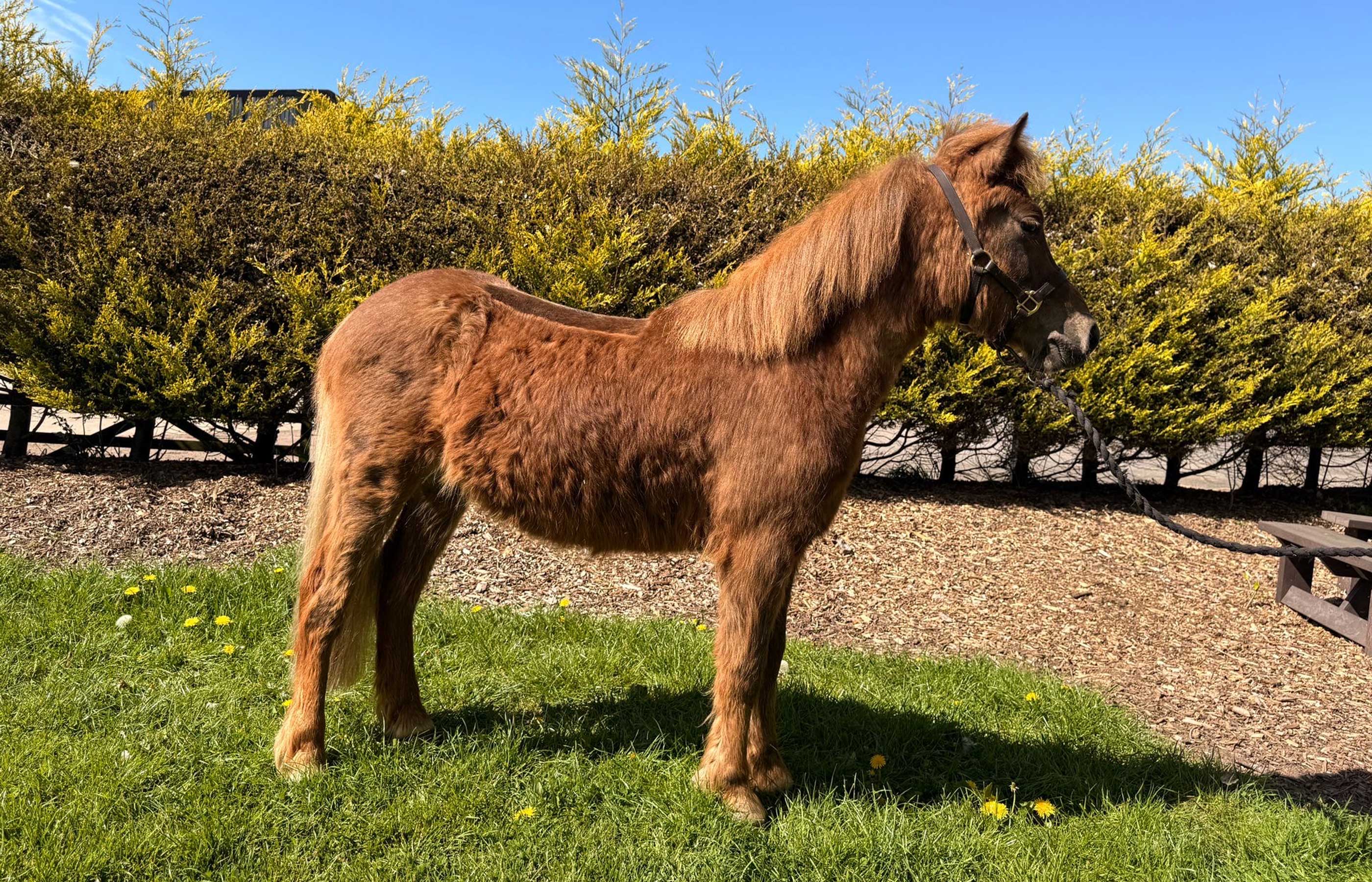
Buddy’s Christmas miracle continues – he’s ready for a new home
Having been too weak to get up unaided when he was rescued, Buddy is now a happy, healthy young pony.
Enjoy reading stories like this?
Join over 65,000 other horse lovers and sign up for our email newsletter
Join over 65,000 other horse lovers and sign up for our email newsletter
Sign me up now
